


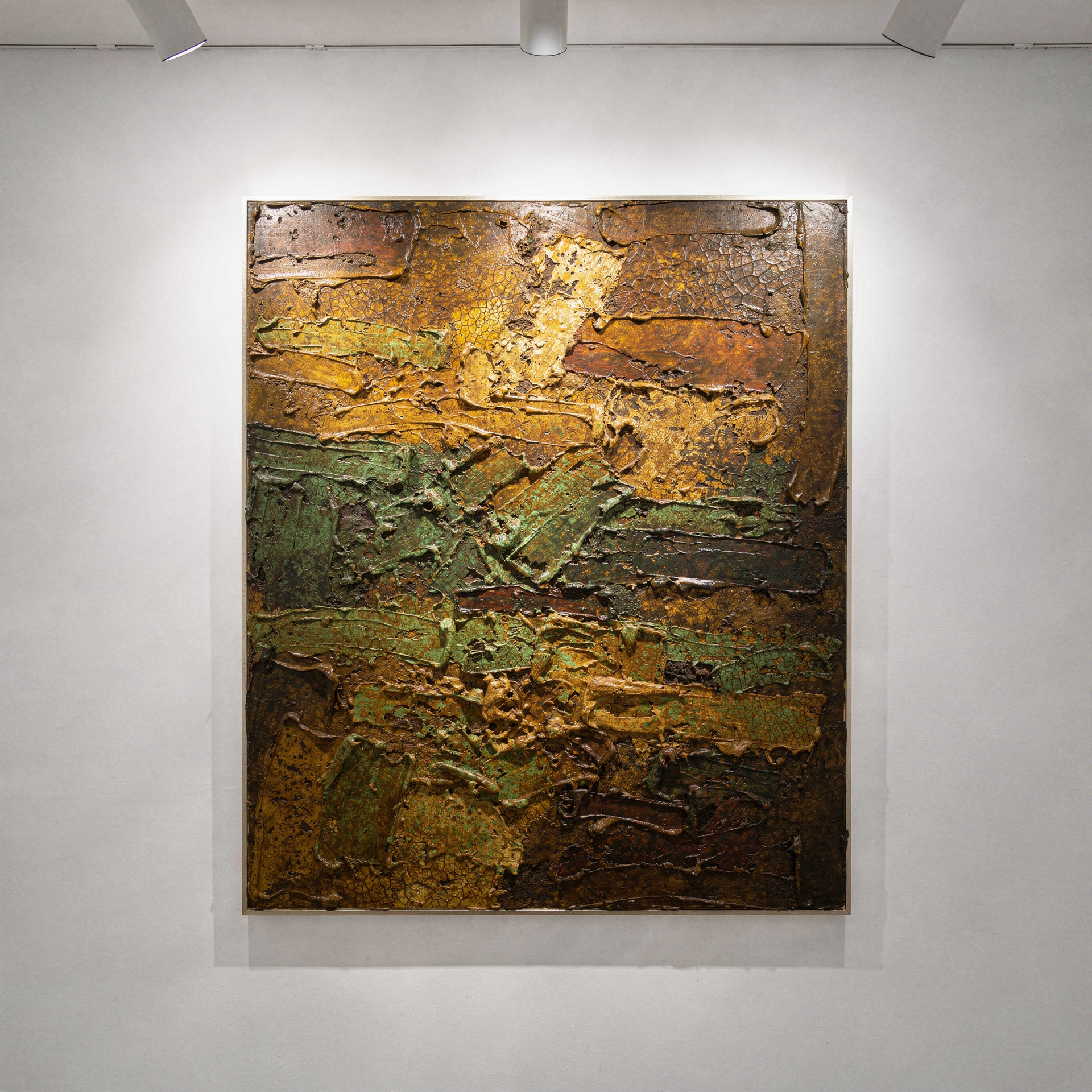
Elevate Your Space with Original Art: A Guide to Appreciating and Collecting
Ever thought how a painting can change your home’s feel? High-end galleries used to seem out of reach. But now, digital tools let you buy art original from home.
Virtual tours and global galleries have changed our view of art. You can now find original art for sale that matches your style. This digital change makes finding unique art easy, without traveling the globe.
Unique pieces add depth and history to your home. Exploring curated galleries connects you with artists worldwide instantly. Finding the right piece is a journey of self-discovery, bringing beauty into your life.
Key Takeaways
- Digital platforms have made masterpieces accessible to everyone, everywhere.
- Virtual tours provide a global perspective on creative traditions and styles.
- Authentic works enhance the emotional and aesthetic value of your environment.
- Modern online platforms simplify the process of starting a personal collection.
- Collecting is a meaningful way to support creators and celebrate culture.
- Educational resources help new collectors choose pieces with lasting impact.
Understanding What Makes Art “Original”
Original art is more than just something pretty to look at. It has a rich history, cultural background, and the artist’s unique view. To really get what makes original art special, you need to know what makes it unique and valuable. This knowledge helps you appreciate art more and guides you when buying original artwork online or getting real art pieces.
Defining Original Artwork in Contemporary Terms
In today’s world, original artwork means something made by the artist’s own hands or under their watchful eye. This makes it different from copies or mass-made art. Knowing this is key when you want to purchase authentic art.
The beauty of original art isn’t just in how it looks. It’s also in its uniqueness and the story of how it was made. Each piece is special, making it a unique addition to any art collection.
The Distinction Between Originals, Reproductions, and Prints
It’s important to know the difference between original art, reproductions, and prints. Reproductions and prints might look great but they’re not made by the artist’s hands. Original art, though, is made by the artist themselves, or in small numbers where they’re involved.
- Original art is unique or part of a small edition with the artist’s direct touch.
- Reproductions are copies of original artworks, often made by machines or digital tools.
- Prints can be either copies or original prints made by the artist.
Limited Editions and Their Place in Original Art
Limited editions are a special part of original art. These are artworks made in small numbers, often signed and numbered by the artist. They can be prints, sculptures, or other art forms. Their value comes from being rare and made with the artist’s direct involvement.
For those wanting to acquire genuine art pieces, limited editions are a good choice. They offer a chance to own art that’s both original and valuable. It’s important to know the edition size, how the artist made it, and any documentation or certification.
How to Buy Art Original: Exploring Artistic Mediums and Techniques
Exploring original art means learning about different mediums and techniques. The art world is vast, with many mediums and techniques used by artists.
Original art includes many forms, like painting, works on paper, printmaking, and sculpture. Each has its own special qualities and challenges.
Painting Mediums: Oil, Acrylic, and Watercolor
Painting is a classic form of original art. Oil painting is loved for its rich colors and blending. Acrylic painting is great for fast work and drying. Watercolor painting is known for its delicate look and fluid feel.
Each painting medium needs its own skills and ways of working. Knowing these differences helps us enjoy the art more. For example, oil painting uses layering and glazing, unlike acrylics’ quick strokes.
Works on Paper: Drawings, Pastels, and Mixed Media
Works on paper, like drawings, pastels, and mixed media, are intimate and spontaneous. Drawings can be detailed or loose. Pastels add a soft glow, and mixed media combines materials for complex pieces.
Some works on paper are fragile and need special care to last.
Printmaking as Original Art
Printmaking creates multiple originals. It uses many techniques, each with its own look and process.
Lithography and Screenprinting Processes
Lithography uses oil and water to draw on plates, making detailed prints. Screenprinting pushes ink through a screen for bold prints.
Etching, Engraving, and Intaglio Techniques
Etching and engraving are intaglio methods that cut designs into metal plates. Etching uses acid, engraving a burin. They make detailed prints with lots of tones.
Sculpture and Three-Dimensional Artwork
Sculpture brings art into three dimensions, engaging viewers differently. Sculptures use many materials, from marble to steel. Knowing the material and technique is key to enjoying the sculpture.
For those wanting to buy art original, learning about mediums and techniques is important. It helps appreciate and choose art, whether it’s modern or classic.
Developing Your Eye for Art Appreciation
Improving your art appreciation means learning about compositional elements, techniques, and contexts. When you explore art, whether online or in person, knowing these aspects enhances your experience. It makes your journey through art more meaningful.
Learning to Analyze Compositional Elements
Composition is key in any artwork. It guides your eye through the piece. Start by finding the artwork’s focal point. Think about how the artist uses lines, shapes, and forms to draw your attention.
Balance, symmetry, and negative space also play a role. A symmetrical piece might feel stable, while an asymmetrical one might feel dynamic. Knowing this helps you appreciate the artist’s choices and enjoy the artwork more.
Understanding Color Relationships and Technique
Color is powerful in art, evoking emotions and setting moods. Artists choose colors carefully to achieve specific effects. Analyzing color involves looking at the color wheel, contrast, and saturation.
Technique shows an artist’s skill and approach. It matters whether they use oil, acrylic, or watercolor. Recognizing techniques gives insight into the artist’s process and goals.
Recognizing Artistic Intent and Conceptual Depth
Artworks often have deeper meanings and intentions. Artists use symbolism and abstract concepts to convey messages. To truly appreciate art, consider the artist’s intent and the piece’s conceptual depth.
Look beyond the surface and explore the artwork’s context. Knowing the historical, cultural, or personal background adds depth and complexity. This enriches your appreciation and connection to the artwork.
The Importance of Context in Viewing Art
The context where you view art affects your interpretation. This includes the physical setting and cultural background. For example, an artwork in a gallery might feel different than one in a home.
Considering context helps you understand the artwork’s relevance. As you develop your art appreciation, being aware of these contexts enhances your experience. Whether in a gallery, online, or in your collection, it deepens your connection to the art.
Selecting Original Artwork for Refined Interior Spaces
Original artwork can turn any room into a stylish retreat. When picking art for your space, several things matter to make it look good and feel right.
Considering Scale, Proportion, and Spatial Dynamics
The size and fit of the art with the room and furniture are key. A big piece can make a statement, but it shouldn’t take over. On the other hand, a small piece might get lost on a big wall. Measuring the wall and thinking about the room’s size are important steps before buying.
Think about how people move and how the art fits with the room’s design. For example, art in busy areas can catch the eye and start conversations.
Harmonizing Art with Architectural Features
The art should match the room’s design. For example, modern art fits well with modern spaces, while traditional art suits rooms with fancy details. Matching the art’s style with the room’s design helps create a unified look.
Color Relationships Between Art and Interior Design
The art’s colors should work well with the room’s design. It doesn’t have to match exactly, but it should go well together. Art can add new colors or textures to make the space more interesting.
If you’re looking to buy unique art online or shop for original paintings, think about the colors. Online, you can find many styles and periods to match your room’s colors.
Creating Focal Points and Visual Narrative Flow
Art can highlight certain areas in a room, guiding the eye. By choosing and placing art wisely, you can create a story in the space. This makes the room feel more alive and interesting.
Remember, art is more than just decoration. It’s about making a space meaningful and engaging. By thinking about size, design, colors, and focus, you can make your space special with art that shows your taste.
Building a Thoughtful Art Collection
Creating a meaningful art collection is a journey of self-discovery. It’s about finding art that speaks to you. This journey is not just about buying art. It’s about building a story through your collection.
Defining Your Personal Collecting Philosophy
Understanding your collecting philosophy is key. It’s about what you love in art. This could be the artist’s style, the emotions it evokes, or its themes.
To build an art collection that matters, know what you value in art. Think about what art you enjoy and why.
Some important things to consider are:
- The type of art that speaks to you (e.g., contemporary, abstract, landscape)
- The artists or styles that inspire you
- The emotions or thoughts you want from the artwork
Following Aesthetic Intuition While Educating Your Eye
When buying art online or in galleries, balance your gut feelings with knowledge. Learning about art movements and techniques is important. This helps you understand and appreciate art more.
This approach helps you make choices that fit your collecting philosophy. Knowing about art movements can deepen your appreciation. It can also help you decide to purchase original paintings online.
Balancing Cohesion and Diversity in Your Collection
A great art collection has both cohesion and diversity. Cohesion comes from shared themes or styles. Diversity keeps your collection interesting and varied.
As an art collector, you might focus on a genre or era. But, you should also allow for different interpretations within that focus.
Here are some ways to balance cohesion and diversity:
- Set a broad theme or style for your collection
- Look for pieces that offer new perspectives within your framework
- Be open to discovering new artists or styles that interest you
The Natural Evolution of Collector Taste Over Time
Your tastes as an art collector will change over time. As you learn more, your collecting philosophy might evolve. This change is a natural part of the journey.
Embracing these changes helps you build your art collection in a way that reflects your growth. It keeps your collection true to your current tastes and values.
Understanding Artistic Value and Authenticity
Art authenticity is complex, involving cultural significance and provenance. When buying original artwork online, knowing these aspects is key. It ensures you get authentic art that values your emotions and keeps its worth over time.
Factors That Contribute to an Artwork’s Cultural Significance
An artwork’s cultural value comes from its connection to its time, influence on future art, and emotional impact. Pieces that reflect or challenge society can become art history landmarks.
Artworks seen as culturally significant often end up in museums or are highly prized by collectors. This boosts their value and appeal.
The Role of Provenance and Documentation
Provenance, or an artwork’s ownership history, greatly affects its authenticity and value.
- Records like receipts, certificates, and exhibition histories are part of an artwork’s provenance.
- A well-documented provenance proves an artwork’s legitimacy and attracts buyers.
Artist Signatures, Editions, and Identifying Marks
Artist signatures and marks are key to verifying an artwork’s authenticity.
Signatures can be on the front or back, with dates or notes. Editions, like in printmaking, are numbered and signed, showing the edition’s size and the print’s number.
Knowing these details helps collectors make smart choices when buying online.
Condition Assessment and Conservation Considerations
An artwork’s condition is vital for its value and authenticity.
Assessing an artwork’s condition looks for damage, wear, or restoration. The materials and techniques used by the artist also affect its longevity and value.
Collectors must understand the importance of proper conservation and restoration. This keeps their artworks in good condition.
Caring for Original Artwork in Your Collection
Caring for original artwork is a detailed task. It involves several key considerations to ensure its longevity. The condition and preservation of art pieces are influenced by environmental conditions, handling practices, and display methods.
Environmental Factors: Light Exposure, Temperature, and Humidity
Environmental factors are key in preserving original artwork. Light exposure is a major factor. Prolonged exposure to direct sunlight or artificial light can cause fading, discoloration, or damage. It’s best to display art in areas with controlled lighting, using UV-filtering glass or acrylic to minimize damage.
Temperature and humidity are also critical. Most artworks are best preserved in a stable environment. This includes moderate temperatures between 65°F to 75°F (18°C to 24°C) and relative humidity levels between 40% to 60%. Fluctuations can cause materials to expand, contract, or deteriorate.
- Monitor and control the environment where art is stored or displayed.
- Use climate-controlled storage for valuable or sensitive pieces.
- Avoid placing artwork near heating or cooling vents, fireplaces, or drafty windows.
Proper Framing, Display, and Hanging Techniques
The way artwork is framed and displayed impacts its condition. Proper framing involves using materials that are conservation-grade and acid-free. The frame should also be designed to support the weight of the artwork and be hung securely to prevent it from falling.
When displaying artwork, consider the visual impact and physical safety of the piece. Avoid overcrowding walls, and ensure each piece has sufficient space to be appreciated individually.
Safe Handling and Movement of Artwork
Handling artwork requires care and attention to detail. Always handle pieces by the frame or stretcher when possible. Avoid contact with the artwork itself to prevent oils from skin from damaging the surface.
When moving artwork, use gloves to prevent fingerprints. Consider using a padded or cushioned support to protect the piece during transport.
When to Consult Conservation Professionals
While many aspects of art care can be managed by collectors themselves, there are times when it’s necessary to consult conservation professionals. If an artwork is damaged, shows signs of deterioration, or requires restoration, seeking expert advice is critical.
Conservation professionals can provide guidance on the best practices for preservation. They can perform restoration work and help in assessing the condition and value of the artwork.
The Relationship Between Artist and Collector
The bond between an artist and a collector is complex. It’s about loving the art and the story behind it. This connection is key for collectors who want to truly connect with their art.
Appreciating the Creative Process and Artistic Labor
Getting the art process means seeing the effort artists put in. It’s about the time, skill, and hard work they invest.
- Artists often spend years perfecting their craft. They try new things and refine their ideas.
- Creating art is hard work. It takes patience, dedication, and a strong passion for the art.
Collectors who value this can form a deeper bond with the art. Here’s how:
- Visit artist studios to see how they work.
- Go to artist talks and lectures to learn about their inspirations.
- Read about the artist’s life and the history of their work.
Understanding Artistic Movements and Cultural Influences
Artistic movements and cultural influences shape an artist’s work. Knowing these can make collectors appreciate the art more.
- The time period when the art was made.
- The cultural and social factors that influenced the artist.
- The art movements the artist was part of.
Supporting Living Artists and Contemporary Practice
Backing living artists is vital for art’s future. Buying art from living artists helps:
- Keep the art world fresh and innovative.
- Help artists grow their careers and finances.
- Get art that reflects today’s culture and issues.
In summary, the artist-collector relationship is based on respect and appreciation. By understanding the art-making process, the art movements, and supporting living artists, collectors can strengthen their bond with the art they collect.
Curating a Cohesive Collection Over Time
Building a cohesive art collection is more than just buying pieces. It’s about carefully choosing each artwork to fit together well. This way, the collection becomes a unified whole.
Curating a collection is a long-term process. It starts with finding the common themes and threads among the artworks.
Identifying Themes and Threads in Your Collecting
Collectors often notice themes or threads in their art choices. These can be about style, theme, or concept. Recognizing these patterns is key to a cohesive collection.
- Track the styles or periods that appeal to you.
- Note the themes or subjects that recur in your acquisitions.
- Consider how new pieces might enhance or challenge your existing collection’s narrative.
Rotating and Refreshing Your Art Display
Changing your art display keeps your collection fresh and engaging. This lets you reimagine the dialogue between artworks and appreciate them anew.
- Schedule regular rotations to maintain a dynamic display.
- Consider the spatial dynamics and how different pieces interact with your space.
- Use rotation as an opportunity to reassess and potentially reframe or rehouse artworks.
Documenting Your Collection for Posterity
Documenting your collection is vital for its long-term care and legacy. Keep detailed records of each artwork, including its history, condition, and any conservation efforts.
- Maintain a thorough inventory with photos and descriptions.
- Keep records of appraisals, purchases, and sales.
- Consider creating a digital archive for easy access and sharing.
Creating Meaningful Dialogue Between Artworks in Your Space
The display of artworks greatly affects your collection’s look and story. Thoughtful display can create a meaningful dialogue between pieces.
Here are some strategies:
- Group artworks by theme, style, or period to create a cohesive visual narrative.
- Play with juxtapositions to highlight contrasts or unexpected harmonies.
- Use the spatial arrangement to guide the viewer’s eye through the collection.
Conclusion
Exploring original art can make your space more beautiful and support artists. It’s rewarding to understand what makes art unique. This helps you pick the right pieces for your collection.
Collecting art is a personal adventure. It’s about mixing your taste with knowledge. Whether you love paintings, drawings, or sculptures, choose what speaks to you.
Remember, art’s value goes beyond its price. It’s about its cultural importance and the happiness it brings. Caring for your art and connecting with the art world can enrich your experience.