


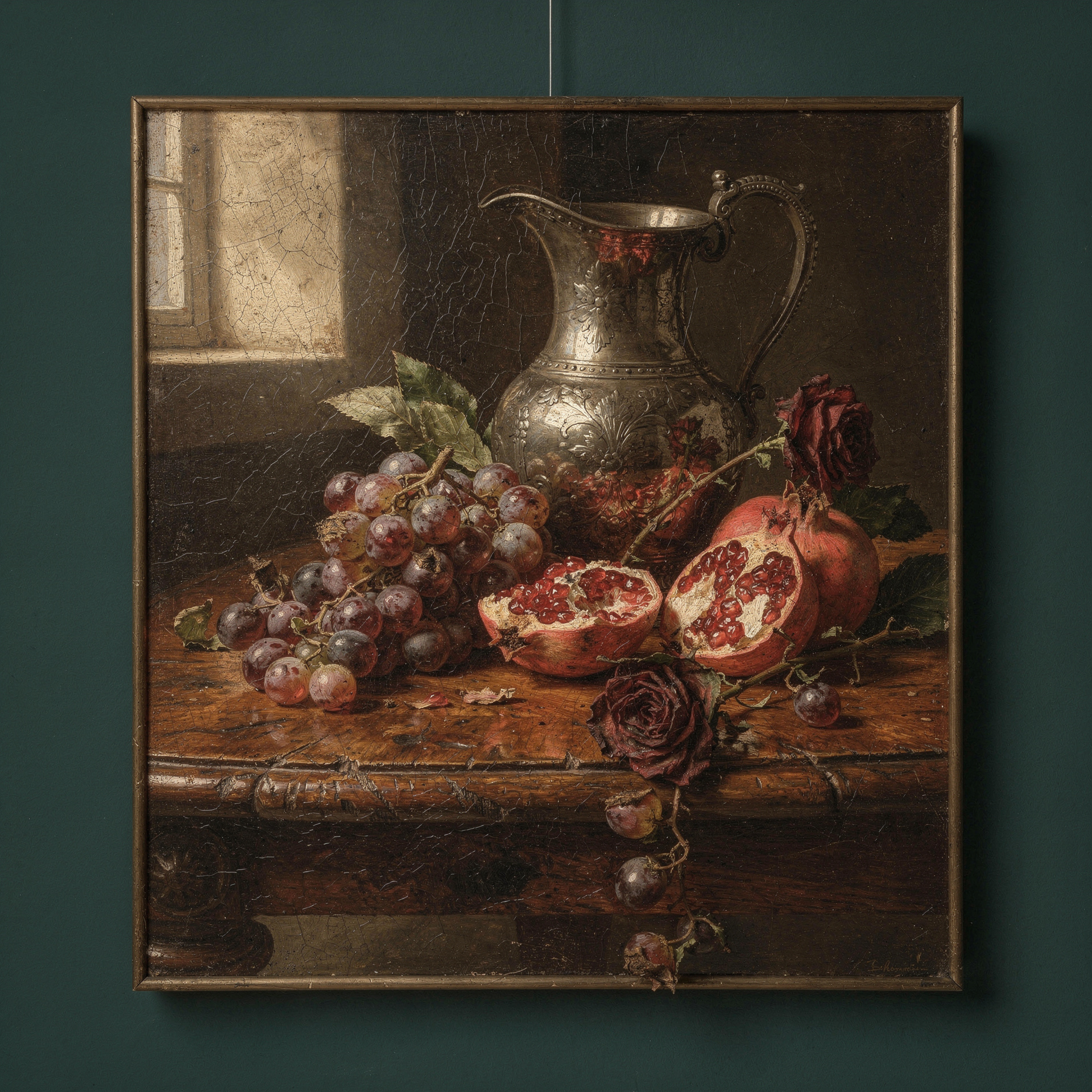
Build a Timeless Collection: Your Guide to Buying Art Online
Ever thought why a simple canvas can be worth more than a fancy house? Creating a lasting legacy through art is about mixing passion with smart choices.
In 2022, the art market hit nearly 68 billion dollars. Now, both new and seasoned collectors buy art online. They face the ups and downs of the global economy.
To build a timeless collection, knowing about artist reputations and value trends is key. Look for quality pieces at a contemporary gallery to find your next treasure.
Today’s digital world makes buying art more confident than ever. Those who buy modern masterpieces need to grasp the digital market’s subtleties. This ensures a smart investment.
Looking for original pieces for sale is easier than ever for American fans. With expert tips, you can create a private museum. It will last forever and show off your style.
Key Takeaways
- The global market reached a staggering $67.8 billion in 2022.
- Digital platforms provide unprecedented access to international creators.
- Understanding creator reputations is vital for predicting long-term value.
- Cultural significance and economic worth are deeply interconnected.
- Successful collecting requires staying informed about current market trends.
- Smart acquisitions balance personal passion with data-driven choices.
Understanding Original Artwork and Authenticity
Authenticity is the cornerstone of art collecting, determining not only the value but also the essence of a piece. When buying original artwork online or through other channels, ensuring the authenticity of the art is key. It’s about understanding what makes a work original, distinguishing it from reproductions, and appreciating the artist’s creative intent.
What Defines an Original Work of Art
An original work of art is a unique piece created by the artist’s hand or under their direct supervision. It’s not a reproduction or a print, but a singular item that embodies the artist’s vision and skill. Original artworks can be created using various mediums, from painting and sculpture to photography and mixed media. The value of an original piece lies in its uniqueness, the artist’s reputation, and its condition.
For collectors looking to purchase authentic art, understanding the characteristics of an original work is key. This includes examining the artwork’s provenance, or its history of ownership, and any documentation that verifies its authenticity.
The Distinction Between Originals and Reproductions
The line between original artworks and reproductions can sometimes be blurred, thanks to the digital age where images are easily shared and reproduced. Yet, there are clear differences. Original artworks are one-of-a-kind pieces or part of a limited edition series where each piece is signed and numbered by the artist. Reproductions, on the other hand, are copies made from the original and lack the value and uniqueness of the original artwork.
Collectors should be aware that while reproductions can be of high quality, they do not hold the same value as originals. When looking to acquire genuine art pieces, it’s essential to work with reputable dealers and galleries who can provide authentication and provenance.
The Artist’s Hand and Creative Intent
The artist’s hand and creative intent are central to what makes a work of art original. The physical act of creating the artwork, the decisions made during its creation, and the overall vision of the artist all contribute to its authenticity and value. Understanding the artist’s process and intent can deepen a collector’s appreciation of the work and inform their collecting decisions.
Collectors who are serious about buying original artwork online should research the artist’s background, their body of work, and how the piece in question fits into their overall artistic practice. This not only ensures the artwork’s authenticity but also enhances the collector’s connection to the piece.
Exploring Artistic Mediums and Techniques
The art world is full of different mediums and techniques. Each one lets artists show their creativity in unique ways. Knowing about these mediums and techniques is key for those who want to buy art prints online or buy original art.
Painting: Oil, Acrylic, and Watercolor
Painting is a classic and flexible way to express art. Artists use oil, acrylic, and watercolor paints, each with its own special qualities.
- Oil painting is famous for its deep colors and blending, creating rich textures.
- Acrylic painting is versatile and dries fast, perfect for quick or layered work.
- Watercolor painting is loved for its clear washes and fluid feel, making soft, dreamy effects.
Works on Paper: Drawing and Mixed Media
Works on paper include drawing and mixed media collage. These pieces are often easier to find and can be just as powerful as paintings.
Drawing, in pencil, ink, or charcoal, lets artists show precise details. Mixed media combines materials and techniques, making complex, eye-catching pieces that also make you think.
Printmaking as an Original Art Form
Printmaking is special because it makes many copies of an image. Yet, it’s seen as original because the artist is directly involved in making it.
Understanding Edition Prints
Edition prints are the same image made from the same plate, but in limited numbers. They’re often numbered and can be valuable. When looking to buy original art prints, knowing the edition size and the artist’s role is important.
Monotypes and Unique Prints
Monotypes are unique prints, not part of an edition. They’re made by applying ink to a surface, then transferring it to paper. Monotypes mix the spontaneity of painting with printmaking’s technique, making each piece unique.
For those looking for affordable art prints, checking out new artists or visiting a fine art marketplace is a good way to find unique pieces.
Developing Your Collecting Philosophy
A great art collection is more than just gathering pieces. It’s about creating a personal vision through careful selection. When you buy art online original or shop art online, knowing what you want is key.
Having a collecting philosophy is vital for a meaningful collection. It’s not just about purchase original art. It’s about finding pieces that truly connect with you.
Collecting with Intention Instead of Speculation
Intentional collecting means choosing art that fits your taste and style. This way, your collection stays meaningful and enjoyable.
When you buy unique art online, think about the artist’s message, the artwork’s importance, and how it fits your collection. This careful approach helps your collection mirror your vision.
Building a Collection That Reflects Your Vision
Your art collection should show your unique view and taste. Focus on getting pieces that resonate with you, whether through theme, style, or emotion.
- Think about the look you want for your collection.
- Look for art that adds to or contrasts with what you already have.
- Be open to new artists and styles that match your vision.
The Role of Personal Connection in Art Selection
A personal connection to art can make it more than just a decoration. When choosing art, think about how it makes you feel and the emotions it brings up.
By focusing on personal connection and purpose, you can build a collection that’s not only beautiful but also deeply personal and significant.
How to Buy Art Original Works Through Digital Channels
Buying art online can seem tough, but it’s also very rewarding. Online platforms now offer many chances to find and buy original art from all over the world.
Evaluating Digital Representations of Artwork
When you buy art online, it’s key to check the digital images carefully. High-quality images are a must. They should show the artwork’s details and condition clearly.
- Look for multiple images or 360-degree views to get a full view of the artwork.
- Check if the images are well-lit and in focus, showing the artwork’s textures and details.
- Some online galleries may also offer zoom functionality, letting you see the artwork up close.
Understanding Dimensions and Scale in Online Viewing
It’s important to know the size of an artwork when buying online. It can be hard to judge size from digital images alone.
Detailed descriptions of the artwork’s dimensions are key. Look for measurements in inches or centimeters. Think about how the artwork will fit in your space.
- Compare the dimensions to your wall space or where you plan to display the artwork.
- Think about the artwork’s size compared to your furniture or other art pieces.
Researching Artist Background and Practice
Researching the artist is a big part of buying art online. Knowing about the artist’s background, practice, and reputation helps you understand the artwork better.
- Find out about the artist’s biography, exhibitions, and awards.
- Check if the artist has a professional website or social media.
- Reading reviews or articles about the artist can give you insights into their work and reputation.
Considerations for Condition and Materials
The condition and materials of an artwork are important when buying online. Detailed condition reports are helpful in making a good choice.
Make sure you know the materials used in the artwork. Also, think about any maintenance or conservation needs.
- Ask the seller about the artwork’s condition and any restoration or conservation work.
- Find out about framing or mounting options, if they apply.
Curating Art for Refined Interior Spaces
Creating a refined interior space is an art. It’s about mixing art and space to make your home look better. To do this, you need to think about a few important things.
Architectural Context and Natural Light
Knowing your space’s architecture is key. Think about its style, era, and details like moldings and windows. Natural light also matters a lot. It changes how we see art.
Direct sunlight can harm some art. So, pick art that can handle light or find the right lighting for it.
Scale and Proportion in Relation to Your Space
The size of your art matters a lot. Big pieces can stand out, while small ones can group together nicely. Proportion is key; too big or too small can mess up the room.
- Measure your walls and think about your furniture size.
- Choose art that fits your room well.
- It’s okay to mix sizes for interest.
Color Harmonies and Visual Balance
Colors and balance are important. Your art’s colors should match or contrast with your space. Visual balance means arranging art to look stable.
To balance, think about colors, textures, and shapes. You can pick art that matches your space’s colors or add a bold color for excitement.
Creating Dialogue Between Multiple Works
Art pieces can talk to each other. Choose art that shares themes or styles, or mix contrasting pieces. This adds depth to your space.
To buy unique artwork or shop for original paintings, think about the artist’s message and the art’s look. Thoughtful art selection makes your space special and personal.
Whether you’re looking for one-of-a-kind art or genuine art pieces, curate with care. This way, your space will be beautiful and meaningful, showing off your style.
Building a Cohesive and Thoughtful Collection
Creating a meaningful art collection is all about cohesion and thoughtfulness. A well-curated collection can share a story, stir emotions, and bring harmony to a space.
Thematic Connections
Thematic connections are vital for a cohesive collection. Focus on a style, period, or theme that speaks to you or your space. If you’re looking to buy art original or purchase original paintings online, think about these connections.
For example, choose artworks with a common color, subject, or mood. This creates a smooth flow and continuity.
Balancing Consistency with Diversity
Consistency is key, but so is diversity. A too uniform collection can feel dull, while a too varied one lacks unity.
To find the right balance, mix different mediums, styles, or periods. Pairing a modern piece from a fine art online gallery with an older work can spark interesting conversations. This way, you can buy contemporary art online and have a rich, layered collection.
Allowing Your Collection to Evolve
Your collection should grow and change as you do. Be open to new discoveries and let your collection evolve.
This might mean letting go of pieces that don’t resonate anymore or adding new ones that reflect your current taste.
Appreciating Artistic Quality and Craftsmanship
To truly appreciate original art for sale online, one must look at the artistic quality. This includes technique, composition, and the artist’s vision. It’s not just about how pretty a piece is. It’s also about the skill, craftsmanship, and creative intent behind it.
When evaluating a piece of art, several key factors come into play. Understanding these elements can deepen your appreciation of the artwork and inform your collecting decisions.
Observing Technique and Execution
The technique and execution of a piece are fundamental to its overall quality. This includes the artist’s mastery of their chosen medium, whether it’s oil painting, watercolor, or another form of artistic expression. Technique refers to the methods and skills used to create the artwork, while execution pertains to how well these techniques are applied.
- Look for evidence of skillful brushwork or tool handling.
- Consider the level of detail and precision in the artwork.
- Evaluate how effectively the artist has utilized their chosen medium.
Understanding Composition and Visual Language
Composition is the backbone of any artwork, determining how the various elements are arranged to create a cohesive visual statement. Understanding composition involves recognizing how the artist has used principles such as balance, contrast, and harmony to guide the viewer’s eye.
A strong composition can elevate a piece from mere decoration to a compelling work of art. When evaluating composition, consider:
- The use of negative space and how it contributes to the overall balance.
- The way color and texture are used to create visual interest.
- The artist’s use of leading lines or other compositional devices to direct the viewer’s attention.
Recognizing Artistic Voice and Originality
An artist’s unique voice and perspective are what set their work apart. Recognizing an artist’s originality involves identifying the distinctive characteristics that make their work recognizable.
When assessing originality, consider:
- The artist’s thematic concerns and how they are expressed.
- The use of innovative techniques or mediums.
- How the artwork contributes to or challenges existing art historical narratives.
The Importance of Surface Quality and Materials
The surface quality and materials used in a piece of art can significantly impact its overall quality and durability. The choice of materials can also reflect the artist’s intent and contribute to the artwork’s meaning.
When evaluating surface quality and materials, consider:
- The condition of the artwork and any signs of wear or aging.
- The quality of the materials used and their expected longevity.
- How the materials and surface quality contribute to the overall aesthetic and impact of the piece.
By carefully considering these aspects, collectors can gain a deeper appreciation for the original artwork online. They can make more informed purchasing decisions when looking to buy original artwork online or purchase authentic art.
Caring for Your Original Artwork
It’s important to take care of your original artwork to keep its value and beauty. When you buy art online or shop art online, you’re not just getting a beautiful piece. You’re also committing to preserve it for many years.
There are several key steps to caring for your artwork. These include how you display it, the environment it’s in, how you handle it, and keeping records. By understanding and following these steps, you can keep your artwork in great shape.
Display and Environmental Conditions
The way you display your artwork and the environment it’s in can greatly affect its life span. Here are some important factors to consider:
- Lighting: Stay away from direct sunlight to prevent fading or color changes. Use UV-filtering glass or acrylic to protect it.
- Temperature and Humidity: Keep the temperature between 65°F to 75°F (18°C to 24°C) and humidity between 40% to 60% stable.
- Air Quality: Keep your artwork away from pollutants, smoke, and strong smells.
Handling and Maintenance Considerations
Handling your artwork with care is key to avoiding damage. Here are some tips:
- Always handle artwork with clean, dry hands or wear gloves to prevent oils from your skin from coming into contact with the art.
- Avoid touching the surface of the artwork; instead, handle it by the frame or supports.
- Dust the frame and surface gently with a soft, dry brush.
Documentation and Record Keeping
Keeping detailed records of your artwork is important for its history and value. Make sure to keep:
- Purchase Receipts: Proof of purchase and payment details.
- Certificates of Authenticity: Documents verifying the artwork’s authenticity.
- Condition Reports: Regular assessments of the artwork’s condition.
- Conservation and Restoration Records: Details of any conservation or restoration work done on the artwork.
By following these guidelines, you can enjoy your original artwork while ensuring its longevity and preserving its value. Whether you’ve bought it through buy unique art online or directly from an artist, proper care is essential.
Conclusion
The art market is changing fast, with more people seeing art as a good investment. It’s key to know how to buy original art well. Whether you’re an experienced collector or new to the scene, finding your way through the fine art world can be tough.
Good art collecting is more than just buying online. It’s about connecting with the art and seeing its worth beyond money.
Think about the artist’s message, the art’s quality, and its condition. This way, you can create a collection that shows your personal taste.
When you buy art and grow your collection, remember. Art’s value isn’t just in how it looks. It’s also in the story it tells and the feelings it brings.