


Buy Art Online with Confidence: Insider Tips for Collectors
Ever wonder if that amazing art on your screen will look just as stunning on your wall?
The digital world has changed how we buy art. Now, many people shop for unique decor online instead of in stores.
Exploring a contemporary gallery online can be daunting for beginners. But, finding original art for sale is simpler once you know what to watch out for.
It’s important to understand shipping and authenticity to feel secure. This guide will show you how to buy art original safely.
With a few insider tips, you can shop online without worry. You’ll learn to find trustworthy sources that offer quality and value for your home.
Knowing these essential factors will help you build a collection that inspires you daily. Let’s start our journey into the world of digital art buying.
Key Takeaways
- Verify the reputation and history of the digital seller.
- Request a formal certificate of authenticity for every piece.
- Examine high-resolution images to see texture and brushwork detail.
- Confirm shipping insurance and professional packaging methods.
- Review the return policy before finalizing any high-value purchase.
- Contact the curator directly to ask specific questions about the work.
Understanding What Makes Artwork Truly Original
For collectors wanting to buy original art, knowing what makes it special is key. Original art is unique and connects directly to the artist’s vision.
Original art is real and not a copy. This makes it valuable in the art world, where being unique matters a lot.
Defining Original Artwork in Contemporary Collecting
Today, original art means pieces made by the artist themselves or under their watchful eye. It can be paintings, sculptures, installations, or digital art.
The idea of original art has changed over time. It now includes new ways of making art while keeping it unique and tied to the artist.
The Distinction Between Originals and Reproductions
Knowing the difference between original and copied art is important. Copies, or reproductions, are made using printing methods. They might look good but don’t have the same value as originals.
The difference goes beyond how it’s made. It’s also about what collectors and the art world value.
Unique Works Versus Editioned Pieces
Original art can be unique or part of a limited edition. Unique pieces are one-of-a-kind, while editioned ones are made in a set number, often signed by the artist.
Both have their charm. Unique pieces offer a rare find, while editioned ones strike a balance between rarity and availability.
The Role of the Artist’s Hand in Creation
The artist’s touch is essential in original art. It’s their involvement that adds their intent, skill, and personal flair.
Even with help from others, the artist’s final say makes the art original and valuable.
Evaluating Artwork Quality Through Digital Platforms
Learning to evaluate artwork quality online is key for every art buyer. Online art marketplaces let collectors buy art from anywhere. But, it’s hard to judge quality without touching the artwork.
Assessing Visual Information in Online Presentations
Visual information is key when buying art online. Good images from many angles help buyers understand the artwork better.
Multiple Viewing Angles and Detail Shots
Look for multiple viewing angles to see the artwork from different sides. Detail shots show texture, brushwork, and more, not seen in one image.
Understanding Surface Texture Through Photography
Photography helps understand the surface texture of art. Some sites use special photography to show texture and detail.
Reading Technical Specifications and Dimensions
Technical specs and dimensions are important for online art quality checks. Make sure the seller gives detailed size, material, and other tech info.
- Check the dimensions to ensure the artwork fits your intended space.
- Verify the materials used to understand the artwork’s durability and maintenance needs.
- Look for information about the artwork’s edition number, if applicable.
The Importance of Contextual Scale References
Contextual scale references help buyers understand size and proportions. Some sites show the artwork in a room or with other objects for scale.
By looking at visual info, reading tech specs, and understanding scale, buyers can make better choices when buying art online.
Recognizing Artistic Mediums and Their Characteristics
It’s key for art lovers and collectors to know about different artistic mediums. Each medium has its own special qualities that can change how much we like and value a piece of art. Knowing these traits helps us make better choices when buying modern art.
Oil Painting: Texture, Depth, and Longevity
Oil painting is a classic and loved art form. It’s famous for its deep colors, smooth blending, and texture. Oil paintings can show depth and detail that’s hard to find in other mediums.
Traditional Canvas Versus Contemporary Supports
Usually, oil paintings are on canvas or board. But today, artists use metal and wood too. Each material gives the painting a different feel and look.
Impasto Techniques and Surface Quality
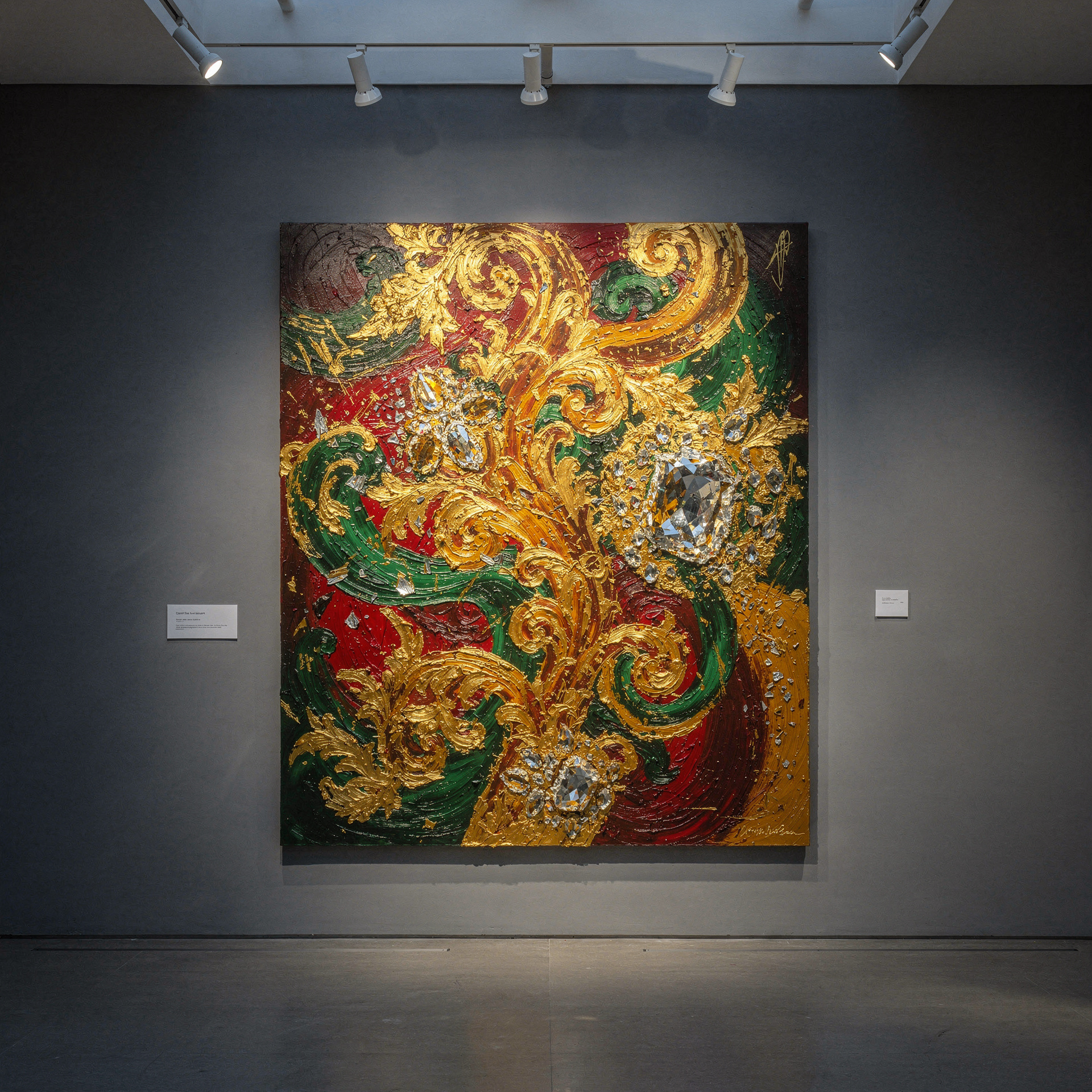
Impasto is when artists use thick paint to make the artwork feel three-dimensional. This adds a touchable quality and makes the art more interesting to look at.
Watercolor and Works on Paper
Watercolor paintings are known for their light, transparent colors. Works on paper can be made from many materials, like watercolor, ink, pencil, or charcoal.
Paper Quality and Archival Considerations
The paper quality is very important for watercolor and other paper-based art. Archival-quality paper is made to last, not to fade or degrade. When buying works on paper, think about the paper’s durability.
Acrylic, Mixed Media, and Contemporary Techniques
Acrylic paint is popular today because it’s versatile and dries quickly. Mixed media art combines different materials and methods, opening up endless creative options.
Sculpture and Three-Dimensional Works
Sculptures and three-dimensional art bring a new level to art. They can be made from many materials, like metal, wood, or found objects. Knowing how they were made helps us appreciate them more.
Developing Your Collecting Vision and Philosophy
Starting an art collection means knowing what you like and what you want. When you buy unique art online, it’s key to know what you’re searching for.
Identifying Your Aesthetic Preferences
Your taste in art is the base of your collection. Think about the styles, themes, and mediums you love. Look back at the art you’ve enjoyed to find what speaks to you. This will help you purchase authentic art that you love and that means something to you.
Building a Cohesive Collection Over Time
Creating a unified collection takes time. It grows as your tastes change. There are many ways to build a cohesive collection.
Thematic Approaches to Collecting
One good way is to focus on a theme. This could be a specific art movement or a certain subject, like landscapes. A theme ties your collection together, creating a story.
The Evolution of Personal Taste
Your taste in art will change as you explore more. You might start to prefer certain styles or mediums. Letting your tastes evolve is important for a collection that truly shows your artistic journey.
Balancing Personal Response with Curatorial Thinking
While your taste is important, thinking like a curator can make your collection better. Consider how each piece fits with others in your collection. This balance makes your collection meaningful and visually appealing.
How to Buy Art Original: Navigating the Digital Landscape
The digital age has changed how we buy art. It offers both chances and challenges for those looking to buy original artwork online. As the online art market grows, it’s key for collectors to be smart and careful when buying.
Researching Artists and Their Bodies of Work
When researching artists, it’s important to explore their background and the meaning of their art. Look beyond the art itself to understand their inspirations, methods, and messages.
Exhibition History and Artistic Development
An artist’s exhibition history shows their career path and style changes. Seek out artists with a solid exhibition record and a clear artistic direction.
Knowing how an artist has grown can help predict their future value and popularity.
Understanding Artist Training and Background
An artist’s training and background shape their work. Learning about their education, mentors, and early influences can deepen your understanding of their art.
Evaluating Artist Statements and Creative Intent
Artist statements are key to grasping an artist’s creative intent and the meaning of their art. These statements reveal the artist’s vision and the context of their work.
When reading artist statements, see if they clarify the artwork’s meaning and connect with your own view.
Assessing Provenance and Documentation
The provenance of an artwork is its ownership history. A well-documented provenance can greatly affect the artwork’s value and authenticity.
Collectors should look for documents that prove the artwork’s origin. This includes certificates of authenticity, exhibition catalogs, and sales records.
Selecting Artwork for Refined Interior Spaces
Finding the right art for your space is a detailed process. It’s about more than just picking something pretty. You need to think about how it fits with your room’s design.
Considering Scale and Proportion in Room Design
Scale and proportion are key when adding art to your space. A piece that’s too small might get lost. On the other hand, something too big can take over.
Architectural Elements and Wall Space
The design of your room, including the walls, affects the art’s size. Measure your walls carefully and think about your furniture and other decor.
Furniture Relationships and Sightlines
How your art, furniture, and sightlines work together is important. Make sure the art is easy to see and doesn’t block the room’s flow.
Color Harmony and Visual Balance
It’s important for your art and decor to match in color. Think about your art’s colors and how they’ll look with your room’s colors.
Complementary Versus Contrasting Palettes
You can choose art that matches your room’s colors or go for something that stands out. Both can work well, depending on what you want.
Lighting Considerations for Different Mediums
Lighting changes how we see art. Different types of art need different lighting. For example, works on paper might need softer light to avoid fading.
Creating Dialogue Between Artworks
If you have more than one piece, think about how they’ll work together. This can make your space more interesting and deep.
By thinking about size, color, lighting, and how art pieces work together, you can create a beautiful collection. Whether you’re shopping for art online or buying art prints online, these tips will help you choose well.
Authenticity Considerations in Online Collecting
The digital art market gives us easy access to original artworks. But, it also means we need to be extra careful about authenticity. When we purchase original paintings online, we must be sure the piece is real.
Artist Signatures and Marking Practices
Artist signatures are key to knowing if a piece is genuine. It’s important to know how artists sign their work. Some sign with their full name, others with initials or a special symbol.
Front Signatures Versus Verso Documentation
Signatures can be on the front or back of a piece. Front signatures are often seen and can be part of the artwork’s look. Verso signatures or documentation offer extra proof. For example, a signature on the back is less likely to be fake because it’s harder to see.
Understanding Edition Numbers for Limited Works
For prints and reproductions, edition numbers are very important. They show how many copies were made and affect the artwork’s value. A lower edition number means a piece is more valuable because it’s rarer.
- Edition size: The total number of prints made.
- Artist’s proof: Prints reserved for the artist, often marked ‘AP’.
- Printer’s proof: Additional prints made for quality control.
Documentation Standards in Contemporary Art
Good documentation is key to proving an artwork’s authenticity and history. This includes:
- Certificates of authenticity from the artist or their estate.
- Exhibition history, showing the artwork’s presence in important shows.
- Sales records, tracing the artwork’s ownership.
Collectors should ask for and check this documentation when buying art online. This helps ensure they’re making a smart choice.
Building Relationships with Living Artists
For art collectors, connecting with living artists is very rewarding. It offers insights that go beyond the art itself. This connection enriches the collector’s understanding and builds a deeper bond with the artist.
The Value of Direct Artist Engagement
Talking directly with living artists gives collectors a special chance. They get to see the artist’s creative process and the story behind each piece. This can add layers of meaning to the artwork.
Direct engagement with artists makes collectors feel part of a team. This is true when they commission art. Knowing an artist’s vision helps collectors make choices that fit their goals.
Understanding Studio Practices and Creative Processes
Visiting an artist’s studio or talking about their work offers a peek into their studio practices. This is very valuable for collectors. It shows the craftsmanship and dedication in each piece.
Artist Intentions and Conceptual Framework
Knowing an artist’s intentions and the idea behind their work is key. It makes collectors appreciate the art more and helps them decide on future buys. Artists often share their inspirations and the stories behind their work, giving collectors a deeper understanding.
- Gain insight into the artist’s creative process
- Understand the conceptual framework of the artwork
- Appreciate the craftsmanship and techniques used
Commission Considerations and Custom Works
For collectors who want commissioned art, connecting with living artists is a big plus. It lets them work together to create a custom piece. This piece will reflect both the artist’s skill and the collector’s taste.
When thinking about commissioning a piece, collectors should talk about their ideas with the artist. They need to understand what’s possible and what’s not. This teamwork can lead to a unique piece that shows the artist’s talent and the collector’s style.
Practical Considerations for Online Art Acquisition
Buying art online comes with its own set of practical considerations. It’s important for collectors to be careful and informed. This ensures a smooth and satisfying transaction.
Before making a purchase, collectors need to think about several factors. They should understand the artwork’s material, condition, and presentation.
Asking the Right Questions Before Purchase
It’s essential to ask the right questions before buying art online. This helps make informed decisions and avoids future problems.
Material Composition and Construction Methods
Knowing the materials and construction of an artwork is key. This affects its durability and longevity. For example, some materials need special care or are more likely to get damaged.
Collectors should ask about the artist’s materials and techniques. This helps assess the artwork’s quality and its chances of lasting long.
Completion Date and Storage History
The completion date and storage history of an artwork are important. Artworks stored well are usually in better shape than those exposed to harsh conditions.
Collectors should ask for detailed storage and display history. This ensures they make a well-informed purchase.
Understanding Condition Reports and Material Quality
Condition reports are vital for understanding an artwork’s state. They detail any damage, restoration, or factors affecting value or longevity.
When reviewing condition reports, focus on materials and any durability issues. Knowing the materials and condition is key to a confident purchase.
Framing and Presentation Expectations
The framing and presentation of an artwork greatly impact its appearance and value. Collectors should think about how the artwork will be framed and presented.
Asking about framing options and expectations is important. This ensures the artwork is displayed beautifully and preserved. Some artworks need special framing to maintain their integrity.
Caring for Your Collection
To keep your art pieces in great shape, learning about art preservation is key. Taking good care and keeping things in order is vital. It helps keep your collection’s value and quality high.
Preservation Principles for Different Mediums
Art types need different care. For example, oil paintings must be handled gently to avoid harm. Works on paper, on the other hand, are more at risk from the environment.
Temperature and Humidity Control
Keeping the environment stable is a must. Temperature should be between 65-75°F (18-24°C). And relative humidity should be 40-60%. This helps protect your art from damage.
Protection from Direct Sunlight and UV Exposure
Direct sunlight can make colors fade and materials break down. Using UV-filtering glass or acrylic in frames can lessen these problems.
Environmental Factors Affecting Artwork Longevity
Other things like pollutants, light, and pests can also harm your art. Good air quality and pest control can help fight these issues.
Documentation and Collection Records
Keeping detailed records of your art is very important. This includes info on the artwork’s history, condition, and any repairs. Good records can greatly increase the artwork’s value and authenticity.
To manage your collection well, think about a systematic way to document it. You might use special software or get help from experts. This ensures your records are thorough and current.
Cultivating a Meaningful Collecting Practice
Collecting art is more than just gathering pieces. It’s about creating a collection that tells your story and holds deep meaning. As you explore the world of art, it’s important to find a collecting practice that brings you joy and growth.
Beyond Trends: Building Personal Significance
To create a collection that truly speaks to you, look beyond what’s popular. Focus on pieces that mean something special to you. Buying unique artwork that resonates with you is key.
When shopping for original paintings, think about the artist’s message, the artwork’s history, and how it makes you feel. These elements add depth to your collection, making it more than just art.
The Evolution of Taste and Collection Growth
Your taste in art will change as you see more works. This change is a natural part of the collecting journey. It shows how your understanding and love for art grow.
Living with Art and Deepening Appreciation
Having art in your home helps you appreciate it more. Over time, you might notice new details or feel different emotions. This shows how your collection can grow with you.
- Observe how the artwork interacts with your living space.
- Notice the emotions or thoughts it provokes over time.
- Consider how it reflects your personal growth or changing tastes.
The Collector’s Journey as Continuous Learning
Collecting is a lifelong learning experience. By engaging with artists, galleries, and other collectors, you learn more about the art world. This knowledge helps you understand your collection better and guides your future choices.
- Engage with the art community to learn from others.
- Stay open to new artists and styles.
- Reflect on your collection’s narrative and how it evolves.
Conclusion
Buying art online can seem scary, but with the right tips, it’s easy. We’ve covered key points about buying art online. This includes what makes art special and how to start collecting.
Learning about artwork quality and different mediums helps. It also helps to have a clear idea of what you want to collect. Connecting with artists and knowing about authenticity makes collecting even better.
The online art market is growing fast. It’s important for collectors to stay up-to-date and confident. This way, they can find original art for sale that they love. It adds to their collection and shows off their style.