


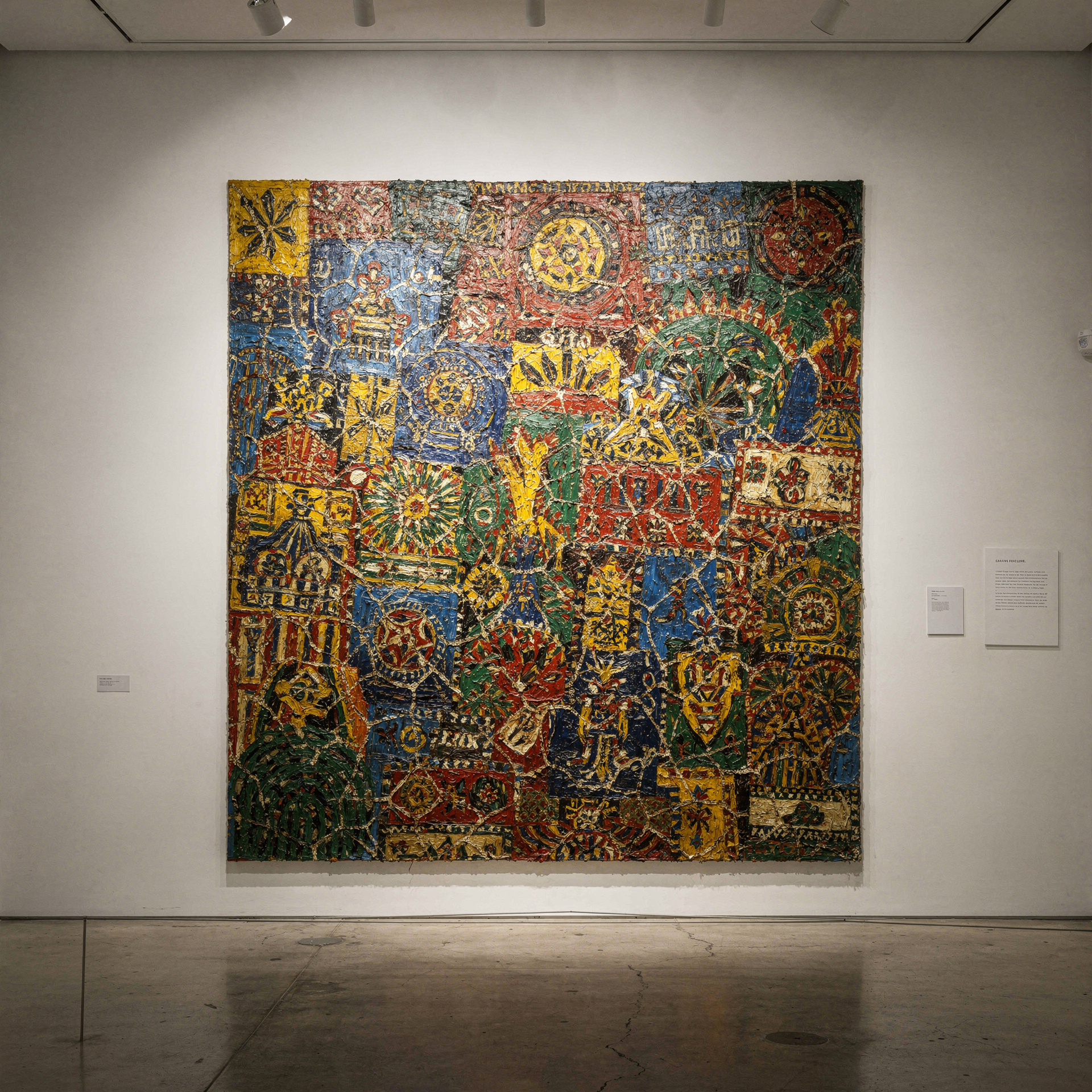
Buy Art Online: Finding Exceptional Pieces That Define Your Collection
Is your home a true reflection of your soul, or just filled with common items? The internet has changed how we find art for our walls. Now, many people buy unique pieces online to show their true selves.
Buying original art for sale lets you own a piece of history. It helps you create a collection that shows your style. You can explore a contemporary gallery from home, seeing talent from around the world.
Getting these masterpieces means knowing about quality and style. This journey helps you find art that truly speaks to you. Learn how to make your space more meaningful with lasting value.
Key Takeaways
- Learn to identify high-quality pieces in a digital marketplace.
- Understand the value of owning a unique, one-of-a-kind creation.
- Explore how digital platforms provide access to global creators.
- Discover tips for verifying the authenticity of your new finds.
- Gain insights into building a cohesive and personal collection.
- Master the etiquette of interacting with digital galleries.
Understanding What Makes Artwork Original
In the world of fine art, originality is key. It sets apart truly special pieces from copies. Originality means the artist made it themselves, it’s unique, and it’s real.
The Meaning of Originality in Fine Art
Originality in fine art means something is unique and real. It’s about the artist’s direct involvement. When we talk about original artwork, we mean something made just once, not copied.
Original art captures the artist’s vision and creativity. This makes original art for sale very desirable to collectors and fans.
Direct Creation by the Artist’s Hand
The artist’s hand is a big part of a piece’s originality. It shows the artist’s skill and intention in every detail.
When an artist makes a piece from scratch, they add their own view and feelings. This makes the artwork real and a true reflection of the artist’s style.
The Distinction Between Original Works and Reproductions
It’s important to know the difference between original art and copies. Original art is made by the artist, while copies are prints or reproductions.
- Original works are unique and made by the artist.
- Reproductions are copies without the original’s value or authenticity.
- Original art can grow in value and beauty over time.
When buying original artwork online, check its authenticity and history. This ensures you’re getting a real piece of art.
The Foundations of Art Appreciation
Appreciating art means understanding visual elements, artistic language, and the context of artworks. It’s more than just liking or disliking a piece. It’s about exploring what makes a work significant. This requires visual literacy and sensitivity to art’s elements.
Cultivating Visual Literacy and Sensitivity
Visual literacy lets us understand a work of art’s visual elements. This includes line, shape, color, texture, and composition. These elements work together to convey meaning. To develop this, we need practice, attention to detail, and a desire to learn about different styles.
For example, when looking at a painting, notice the colors. Are they warm or cool? How do they interact? These observations can show the artist’s intentions and the work’s emotional impact. Being sensitive to these elements helps us appreciate art more deeply.
Learning to Read Artistic Language
Artistic language is the way artists communicate through techniques, styles, and conventions. To understand this, we need to know about artistic movements like Impressionism and Cubism. We also need to recognize each movement’s unique features.
- Understanding symbolism and metaphor in art.
- Recognizing how historical events shape artistic expression.
- Appreciating artists’ innovative techniques.
Historical and Cultural Context in Understanding Art
The time and culture in which art is made greatly affect its meaning. Art often reflects societal values, politics, and cultural norms. Knowing this context helps us understand the artwork’s themes and the artist’s goals.
For instance, art from times of social change may show turmoil or comment on it. By looking at the historical and cultural background, we can understand the artwork’s significance for both past and present.
When buying art online from a fine art marketplace, knowing these basics is helpful. It helps collectors make better choices and appreciate their art more.
Exploring Artistic Mediums and Their Characteristics
Exploring different artistic mediums is key to understanding and enjoying art. These mediums are the materials or techniques used to make art. Each has its own special qualities and challenges.
Painting Techniques: Oil, Acrylic, and Watercolor
Painting is a classic and flexible art form. Oil painting is famous for its deep colors and blending. This allows for smooth transitions between colors. Acrylic painting dries fast and is flexible, perfect for quick or layered work. Watercolor painting is loved for its light washes and the challenge of mastering its unpredictability.
Each painting method needs different skills and knowledge of the medium. For example, oil paint’s slow drying lets for detailed blending. But acrylic’s quick drying means artists must work fast or use special retarders.
Works on Paper: Drawing, Printmaking, and Mixed Media
Works on paper include drawing, printmaking, and mixed media. Drawing is a basic skill for many artists, allowing for direct expression. Printmaking creates artworks by transferring images, blending originality with multiplicity.
Mixed media on paper combines materials like ink, paint, and paper. This encourages creativity and innovation.
Sculpture and Three-Dimensional Forms
Sculpture creates three-dimensional objects through carving, modeling, and casting. It engages viewers from all sides and can change a space. Sculptors use materials from stone and bronze to plastics and found objects.
Sculpture adds a touchable aspect to art, making viewers think about its form, texture, and space.
Fine Art Photography and Contemporary Processes
Fine art photography has grown with technology. It includes many styles and techniques, from darkroom to digital. Today’s photographers often explore new ways to show their vision.
Photography’s flexibility and ability to capture or create worlds make it a strong medium in art.
Evaluating Artistic Quality and Craftsmanship
To truly appreciate and acquire art, one must understand how to evaluate its quality and craftsmanship. Artistic quality encompasses various elements, including technical skill, conceptual depth, and material considerations.
Assessing Technical Skill and Execution
Technical skill is a fundamental aspect of artistic quality. It refers to the artist’s proficiency in their chosen medium and their ability to execute their vision effectively. When evaluating technical skill, consider the following:
- Precision and Attention to Detail: How accurately and meticulously has the artist rendered the subject matter or executed the concept?
- Medium-specific Skills: For paintings, consider the brushwork, color palette, and layering. For sculptures, evaluate the craftsmanship in terms of material handling and form creation.
- Innovative Techniques: The use of innovative or traditional techniques can enhance the artwork’s technical quality and originality.
Recognizing Conceptual Depth and Vision
Beyond technical skill, the conceptual depth and vision of an artwork significantly contribute to its overall quality. This involves understanding the artist’s intent, the message or emotion conveyed, and the artwork’s relevance to its context.
Key considerations include:
- The clarity and coherence of the artist’s vision.
- The emotional or intellectual resonance of the artwork.
- The artwork’s originality and contribution to the art discourse.
Material Quality and Archival Considerations
The materials used in creating an artwork play a critical role in its durability and longevity. High-quality, archival materials ensure that the artwork remains in good condition over time.
When evaluating material quality, consider:
- Durability: Are the materials used capable of withstanding the test of time?
- Archival Quality: Have archival materials been used to ensure the artwork’s longevity?
- Conservation Practices: Is the artwork created with conservation in mind, using practices that prevent deterioration?
By carefully assessing these factors, collectors and enthusiasts can make informed decisions when acquiring genuine art pieces. This ensures that their collection is not only aesthetically pleasing but also of high artistic quality and craftsmanship.
Developing Your Personal Aesthetic and Collecting Philosophy
Creating a personal aesthetic and collecting philosophy is a deep process. It shows your unique view and taste. It’s not just about collecting art; it’s about building a collection that speaks to you.
Identifying Your Visual Preferences and Emotional Responses
Knowing what you like visually is key. This means spotting the styles, colors, and themes that catch your eye.
- Think about the art that moves you or makes you feel something.
- Look into different art styles to see what you enjoy.
- Think about how color in art affects you.
Your feelings about art are just as important. Art that touches you emotionally can become a special part of your collection.
Creating Coherence in Your Collection
A cohesive collection doesn’t mean everything looks the same. It means the pieces together tell a story or show your unique taste.
- Find a main theme or focus for your collection.
- Pick pieces that share something in common, even if they look different.
- Balance your art to create a mix that looks and feels good together.
Balancing Knowledge with Intuitive Connection
Knowing about art is great, but listening to your gut is just as important when choosing pieces.
- Learn about art movements, techniques, and artists.
- Let your instincts guide your choices, along with your knowledge.
- Be open to finding new artists and styles that speak to you.
By mixing knowledge with instinct, you can shop for original paintings and buy unique artwork. This way, your collection will grow and show off your personal aesthetic and collecting philosophy.
How to Buy Art Original: Navigating the Selection Process
Buying original art is more than picking a pretty piece. You need to know the artist, the artwork’s state, and its history. When you buy art original, it’s key to carefully choose. This means following a few important steps to find art that lasts and speaks to you.
Researching Artists and Understanding Their Practice
Looking into the artist is a big part of the process. You learn about their life, what inspires them, and their art. This helps you see if the artist is credible and if their work is valuable. By researching artists, you get to know their unique view and their role in art.
Considering Scale, Proportion, and Physical Presence
The size and shape of art matter a lot. A big piece can make a bold statement, while a small one can be more subtle. Think about how the art will fit in your space and how people will see it. This is important when selecting art for your home.
Examining Provenance and Artist Documentation
Provenance is the art’s history of ownership, which can change its value and authenticity. Documents from the artist, like certificates of authenticity, prove the art is real. When buying original art, checking the provenance and documents is key to knowing the art’s true value.
Evaluating Condition and Authenticity
The art’s condition affects its value and how long it lasts. Look for any damage or wear. It’s also important to make sure the art is real. This is true when you purchase original paintings online or elsewhere, to ensure you get a genuine piece.
Selecting Artwork for Sophisticated Interior Spaces
Choosing the right artwork for your interior spaces is an art. It’s not just about picking something you like. It’s about creating a visual experience that makes your space better.
Harmonizing Art with Architecture and Design Elements
When selecting artwork, think about your space’s style and design. A modern space might need a bold, contemporary piece. A traditional space might be better with classic art. The goal is to enhance the look without overwhelming it.
Consider the materials and textures in your space. For example, a room with metallic accents might look great with artwork that matches or contrasts them.
Understanding Color Relationships and Visual Balance
Color relationships are key in how artwork fits with its surroundings. Art can match or contrast the colors in your space. Knowing the color wheel helps you make good choices.
- Think about how your artwork’s colors relate to your space’s colors.
- Choose colors that match the mood you want to create with your artwork.
- Neutral colors can balance bold or bright artwork.
Creating Intentional Focal Points and Sight Lines
Where you place artwork affects a room’s look. By creating focal points, you can guide the viewer’s eye. This adds depth and interest.
Think about the sight lines in your space. Artwork can draw attention to certain areas. This works well in big or open-plan spaces.
Scale and Placement in Refined Environments
The scale of your artwork is important. A piece that’s too small might get lost. One that’s too big can overwhelm. Finding the right scale brings balance.
Placement is also key. Think about the height and how it relates to other room elements. You want a visually appealing arrangement that improves the space’s feel.
By thinking about these factors, you can buy contemporary art online or find original art. This art will not only show your style but also make your space more sophisticated and elegant.
Building a Meaningful Collection Over Time
A meaningful art collection is more than just a collection of art. It shows your personal journey, interests, and the emotional bonds you form with art. As you start building a collection, you’ll learn it’s a journey of patience, curiosity, and growth.
Beginning with Intention and Purpose
Starting with a clear goal is key. Understand what you like in art and artists. Do you prefer certain themes, styles, or mediums? Knowing your preferences helps make your collection meaningful and cohesive.
When shopping art online or visiting galleries, knowing what you want helps. It’s a chance to buy unique art online that fits your vision.
Allowing Your Collection to Grow Organically
Your collection grows naturally over time. It’s about living with art and seeing how it changes your space and life. As you curate art, your collection will change, showing your evolving tastes and interests.
This natural growth deepens your connection with the art and artists. It’s not just about collecting; it’s about creating a personal and meaningful story.
Curating with Depth Instead of Volume
The quality of your collection matters more than its size. Curating art with depth means choosing pieces that are significant. This could be because of their beauty, emotional impact, or historical value.
Choosing depth over volume creates a thoughtful collection. It’s about starting a meaningful conversation between the art and your space.
This approach makes your collection a mirror of your personal story. It’s filled with meaningful art that inspires and brings joy.
Contemporary and Emerging Artistic Voices
New voices are changing the art world. The art scene is always growing, with fresh talents and styles. This makes our view of art more exciting.
The art world today is full of diversity and dynamism. Artists from all walks of life add to this lively scene. Each brings their own story and view.
Discovering Artists at Different Career Stages
New artists show us what’s next in art. Their work is often daring and new. Experienced artists, though, have a deep understanding and style that shows their growth.
There are many ways to find new artists. You can look in art schools, local galleries, or online. Meeting artists at different stages can really deepen your understanding of their art.
Geographic and Cultural Diversity in Art
Art is no longer just from New York or Paris. Artists from all over are adding to the scene. This brings a richer view of the world.
Art reflects the artist’s culture and background. This makes art more relatable and interesting to everyone.
Subject Matter and Personal Resonance
Art today covers a wide range of topics. From personal stories to abstract ideas, there’s something for everyone. What speaks to you is key to enjoying art.
When looking at art, think about what touches you. It might be the colors, the emotions, or the ideas. Finding something personal in art makes it more meaningful.
- Explore local art galleries and exhibitions to discover emerging artists.
- Engage with online platforms that showcase contemporary art.
- Consider the cultural and geographic diversity of artists when building your collection.
Discovering Artwork Through Digital Channels
The digital world has changed how we find and enjoy original art. Now, thanks to digital art platforms and online galleries, art lovers can explore many styles and mediums from home.
Viewing Art in Digital Environments
Digital spaces bring unique benefits for art fans. Online platforms show artworks in high detail, letting viewers see every small part. They also offer special features like artist interviews and behind-the-scenes looks, making the art more meaningful.
Key advantages of viewing art online include:
- Access to a global art market
- The ability to browse and compare multiple artworks side by side
- Detailed information about the artwork, including provenance and artist statements
Understanding Limitations of Screen-Based Viewing
Even with all the benefits, there are downsides to seeing art on screens. The colors and textures might not look the same as in real life. Also, the size and feel of the artwork can’t be fully shown online.
To overcome these issues, many online galleries and art platforms provide:
- High-quality images with zoom functionality
- Detailed descriptions of the artwork’s materials and dimensions
- Virtual reality or augmented reality experiences to simulate the physical presence of the artwork
Connecting with Artists and Their Studios
Digital art platforms are great for connecting with artists and their studios. Online galleries often have artist profiles, studio visits, and interviews. This gives insight into how the art is made and what inspires it.
By engaging with artists online, collectors can:
- Gain a deeper understanding of the artwork and its context
- Develop a personal connection with the artist
- Stay informed about upcoming exhibitions and new works
Preserving and Caring for Your Art Collection
To keep your art collection looking great for years, you need to use the right preservation methods. How you take care of your artwork affects its life and condition.
Proper Display Techniques and Lighting
Displaying art needs careful thought to avoid damage. Lighting is key; too much sunlight can fade colors, while too little makes details hard to see. Using UV-filtering glass or acrylic helps block harmful ultraviolet light.
- Use LED lighting, which emits minimal UV radiation.
- Keep artwork away from direct sunlight.
- Consider using display cases with controlled lighting.
Environmental Factors: Temperature, Humidity, and Light Exposure
Keeping a stable environment is key for your art’s preservation. Temperature and humidity changes can harm materials. Aim for a temperature of 68°F to 72°F (20°C to 22°C) and humidity of 40% to 60%.
- Monitor the environment with a hygrometer and thermometer.
- Avoid placing artwork near heating or cooling vents.
- Use a humidifier or dehumidifier as necessary to maintain stable humidity levels.
Ongoing Maintenance and Conservation Awareness
Regular care is essential for your art’s long life. This includes framing artwork with archival-quality materials and making sure it’s securely hung to avoid damage.
Knowing the conservation needs of different materials is also important. For example, works on paper are more fragile than paintings on canvas. Understanding these needs helps you protect your collection.
- Regularly inspect your artwork for signs of deterioration.
- Consult with conservation professionals for advice on caring for specific pieces.
- Keep records of the condition and any conservation efforts.
Conclusion
Exploring the world of art collecting is exciting. It’s key to know the value and importance of original artwork. Learning to appreciate art and judge its quality helps you make smart choices when buying online.
Looking through a fine art marketplace can be very rewarding. It lets you find a wide variety of original pieces to add to your collection. Whether you’re experienced or new, finding art that speaks to you is a journey worth exploring.
Keep learning about art collecting and stay involved in the art world. This will help you grow your understanding of art. You’ll build a collection that truly reflects your taste and style.