


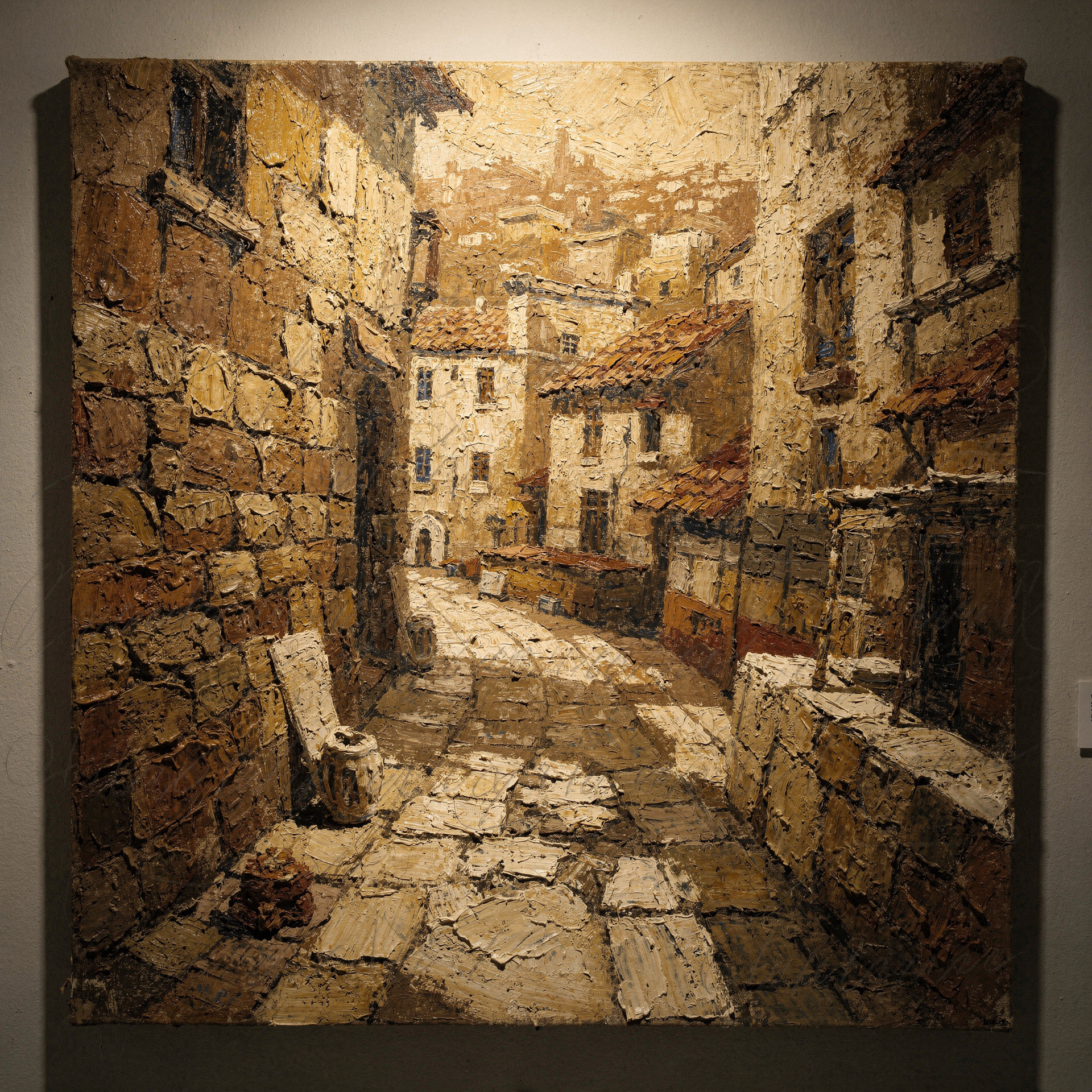
The Art of Buying Online: Exclusive Pieces for Discerning Collectors
Have you ever thought about if a digital screen can truly capture a masterpiece’s soul? The old days of visiting galleries are over. Now, digital platforms let fans find amazing art easily and confidently.
Looking for original art is now an exciting adventure. You can see many styles from artists all over the world from your home. It’s key to know how to spot quality and value in this new world.
To buy art original works well, you need to get the artist’s vision. The first step for any serious collector is to develop a deep appreciation. This guide will help you build a collection that shows your personal taste and style.
Key Takeaways
- Online platforms provide access to a global pool of talent and diverse styles.
- Understanding a creator’s vision is vital for building a meaningful collection.
- Digital spaces have simplified the way enthusiasts discover and acquire fine works.
- Collectors should focus on both aesthetic value and long-term quality.
- Education on appreciation helps in selecting pieces that resonate personally.
- Modern technology ensures secure and confident transactions for discerning buyers.
Understanding Original Artwork in the Contemporary Context
The online art market is growing fast. It’s getting harder to tell original works from copies. Thanks to the internet, art lovers can now buy original artwork online and shop art online. But, it’s tricky to check if the art is real.
Original art is special because it’s unique and made by the artist themselves. When you purchase original art from a fine art marketplace, you support the artist. You also get a piece of art that’s truly yours.
Defining Originality and Authenticity in Art
Originality means the art is new and shows the artist’s unique vision. Authenticity means the art is real and made by the person it’s credited to.
- Original artworks are usually one-of-a-kind or part of a small series.
- They often have the artist’s signature or other marks.
- The value of original art depends on the artist’s fame, the art’s condition, and its history.
The Distinction Between Original Works and Reproductions
It’s important to know the difference between original art and copies. Copies are made from original artworks using methods like printing.
Here’s what sets them apart:
- Uniqueness: Originals are unique, while copies can be made in large numbers.
- Value: Originals are usually more valuable and beautiful.
- Provenance: Originals often have documents showing their history and past owners.
Artist-Created Pieces and Their Intrinsic Qualities
Art made by artists has special qualities that make it valuable. These include the artist’s skill, the emotional feel of the art, and its beauty.
When looking at original artwork, think about:
- The medium and technique used by the artist.
- The art’s condition and any signs of aging or wear.
- The artist’s statement or description, which can give insight into its meaning.
Fundamental Principles of Art Appreciation
Appreciating art is more than just looking at it. It’s about understanding and feeling it. When you see art for sale online or in a contemporary art gallery, knowing the basics makes it better.
Visual Literacy and Reading Artistic Composition
Visual literacy is key to enjoying art. It means knowing about lines, shapes, colors, and how they fit together. This skill helps you get the artist’s message and see the art’s details.
Line, Form, and Spatial Relationships
Lines are basic in art, showing shape, movement, and feeling. Form gives an artwork depth, using shading and texture. Spatial relationships show how elements interact and fit in space.
- Lines can change mood with their width, direction, and curve.
- Form can be made in many ways, like sculpture or painting.
- Spatial relationships can make an artwork feel deep or tense.
Color Theory and Palette Sophistication
Color theory is important for art lovers. It shows how colors work together and what feelings they bring. A good color mix can make an artwork stand out.
Color theory teaches about the color wheel, warm vs. cool colors, contrast, and harmony. Artists use color to set mood, draw attention, or stir emotions.
Understanding Artistic Intent and Context
Knowing the artist’s goal and the artwork’s background is vital. This means learning about the artist, the time period, and cultural influences.
This knowledge helps you see the artwork’s true value and the artist’s message. It turns a simple look into a deep connection with the art.
Developing Emotional and Intellectual Engagement
Art appreciation is about feeling and thinking. It’s about letting the artwork touch you, whether through its beauty, message, or emotions.
As you keep exploring art, whether by buying art online original or visiting galleries, you’ll grow. This connection makes your art experience richer and more meaningful.
The Digital Transformation of Art Discovery
The internet has changed how we find and buy art. Now, collectors can explore and purchase art from anywhere. Online platforms show a wide range of artworks, making it easier to find what you like.
Expanded Access to Artwork
Online galleries and digital marketplaces have made it easier to find and buy art online. They offer a wide variety of artworks from artists all over the world. This has created a global marketplace that was once unthinkable.
The chance to purchase art online has opened doors for both new and established artists. Collectors can now see different styles and genres. They can find new talents and buy unique pieces that were hard to find before.
Advantages and Limitations of Digital Viewing
Looking at art online has its perks. You can explore from home and compare pieces easily. Online platforms also give detailed info about each artwork, like its size and history.
But, there are downsides to digital viewing. Digital images can’t always show the real texture and size of art. Also, missing the chance to see art in person can make it hard to fully appreciate it.
Cultivating a Discerning Eye in Virtual Spaces
To judge art online well, look for fine art online galleries with good images and detailed descriptions. Learning about the artist and the artwork’s history is key to making smart choices.
When shopping for original paintings or buying one-of-a-kind art online, make sure the platform gives all the details. This helps you make confident choices in the virtual world.
Essential Considerations When You Buy Art Original
Buying original artwork online involves several key factors. It’s not just about getting a pretty piece. It’s about investing in something unique that speaks to you and might even grow in value.
Evaluating Artistic Merit and Technical Execution
It’s important to judge a piece’s artistic value and skill. Look at the artist’s talent, creativity, and how the work impacts you.
Craftsmanship and Skill Assessment
Check the artist’s technical skill. For paintings, look at color, brushwork, and composition. A piece that shows great skill is usually more valuable.
Artistic Voice and Originality
The artwork should have a unique artistic voice and originality. See if the artist brings a fresh perspective or style. Originality is key for long-term value.
Understanding Medium-Specific Characteristics
Each medium has its own traits. For example, oil paintings are rich and vibrant, while sculptures are three-dimensional. Knowing these traits helps you appreciate the artwork’s qualities.
- Oil paintings: depth, texture, and luminosity
- Sculptures: three-dimensional form and spatial interaction
- Works on paper: delicacy and intimacy
Assessing Scale, Dimension, and Physical Presence
The size and feel of an artwork greatly affect its appeal and value. Big pieces can make a bold statement, while smaller ones offer a more personal touch.
- Think about where the artwork will go.
- Consider how the size interacts with its surroundings.
- Look at how the artwork physically engages you.
Documentation and Provenance Information
When buying online, getting full documentation and provenance is crucial. This includes certificates of authenticity, exhibition history, and other documents that prove the artwork’s legitimacy and value.
By carefully considering these points, collectors can make smart choices. This ensures their art is not only a joy to own but also a wise investment.
Navigating Online Art Acquisition with Discernment
The art world is moving online, bringing new challenges for collectors. They now have access to art from all over the world. But, they need to be careful and discerning in their choices.
Interpreting Digital Representations of Physical Artwork
When buying art online original pieces, it’s important to know the limits of digital images. These images might not show the artwork’s texture, color, or size accurately. So, it’s key to look beyond the digital image and learn as much as you can about the artwork.
Things like lighting, screen settings, and image quality can change how an artwork looks online. Many websites now offer detailed images and videos to help you see the artwork better.
Essential Information to Gather About Pieces
When you’re thinking about buying, get essential information about the artwork. This includes:
- Artist statement or biography
- Details about the artwork’s materials and techniques
- Dimensions and weight
- Provenance and any relevant documentation
- Condition reports
This info helps you make a smart choice and check if the artwork is real and worth the price.
Understanding Condition Reports and Descriptions
A condition report tells you about the artwork’s condition, like any damage or repairs. It’s very important when buying original art online. It helps you understand if the artwork is in good shape and will last.
Look for detailed descriptions and high-quality images. These show the artwork’s condition clearly. This info is key to making a good choice.
The Importance of Detailed Visual Documentation
Detailed visual documentation is crucial when looking at artwork online. High-quality images from different angles and videos or 3D scans give a better view of the artwork. They show its condition and details.
When purchasing original art online, choose platforms that offer lots of visual details. This helps you make a better choice and builds trust with the seller.
Exploring Artistic Mediums and Their Unique Qualities
The world of original art for sale is vast, with many mediums each having its own special traits. When you buy modern art, knowing these differences helps you make smart choices. It also lets you appreciate the special qualities of each piece.
Oil Painting: Depth, Texture, and Luminosity
Oil painting is famous for its depth, texture, and light. Because oil paints take time to dry, artists can create detailed and textured works. These artworks draw viewers in with their visual depth.
Acrylic Works and Contemporary Applications
Acrylic paint is loved by today’s artists for its flexibility and quick drying. It can make bold, bright pieces or softer, more detailed ones. Artists can mix acrylics with different mediums to get various effects, from thick textures to smooth washes.
Works on Paper: Drawings, Watercolors, and Prints
Art on paper, like drawings, watercolors, and prints, feels intimate and immediate. These mediums let artists try out many techniques and styles.
Understanding Original Prints and Editions
Original prints are made through etching, lithography, or screen printing. Knowing about editions and artist’s proofs is key when purchasing art online. Limited editions make prints more valuable and exclusive.
The Delicacy of Watercolor and Gouache
Watercolor and gouache are known for their fluidity and softness. Watercolor’s transparent layers can make scenes seem otherworldly. Gouache, on the other hand, is more opaque and colorful. Both mediums need a deep understanding of how pigment interacts with paper.
Sculpture and Three-Dimensional Art Forms
Sculpture and three-dimensional art bring a new level to art, literally. These pieces invite viewers to explore them from different sides, offering a deeper experience. Sculptors use everything from stone and bronze to steel and glass.
Mixed Media and Contemporary Experimental Work
Mixed media art combines various mediums to create complex, layered pieces. This method lets artists explore new ways to express themselves. When buying modern art, being open to mixed media and experimental works can lead to finding innovative and thought-provoking pieces.
Selecting Artwork for Elegant Interior Spaces
Elegant spaces need artwork that matches their style and boosts their look. Choosing the right piece involves thinking about several things. These include the space’s style, the artwork’s size and color, and how it fits with the room’s colors.
Harmonizing Art with Architectural Character
The style of a space is key in picking the right artwork. Knowing this style helps make a good choice.
Period Architecture and Artwork Compatibility
For spaces with old architecture, picking artwork from the same time is important. A modern piece might not fit with a Victorian home. Instead, choose pieces that match the era, like original paintings from the same era or modern works that share the style.
Contemporary Spaces and Modern Sensibilities
Modern spaces offer more freedom in art choice. You can pick bold, new pieces that show off today’s art trends. Buying art online is great here, as it opens up a world of new works.
Scale, Proportion, and Visual Weight
The size and look of the artwork matter a lot. A big piece can stand out in a big room, while a small one fits better in a small space. Think about the artwork’s detail and color too; they can really change the room’s feel.
- Measure the wall space for the artwork.
- Look at the size of the furniture and other decor.
- Think about the artwork’s visual weight and how it will change the room’s feel.
Color Relationships and Atmospheric Cohesion
The artwork’s colors should match the room’s colors well. It doesn’t have to be a perfect match, but it should work well together. When shopping art online, have a color plan to make sure the artwork fits the room’s look.
- Find the main colors in the room.
- Think about the mood you want to create.
- Find artwork that fits this mood.
Creating Visual Dialogue and Flow Between Rooms
When picking artwork for different rooms, think about how they will look together. Making a visual connection between rooms can make the space feel more connected. Use similar frames, colors, or themes in different pieces.
Looking to buy unique art online or purchase original paintings online? There are many sites with a wide range of art. By considering these tips, you can find art that makes your space look great and shows off your style.
Building a Thoughtful and Cohesive Collection
Creating a thoughtful art collection starts with developing a discerning eye. When buying original artwork online, several key factors are important. These ensure your collection is both meaningful and visually appealing.
Developing a Personal Collecting Philosophy
A personal collecting philosophy is the foundation of a cohesive art collection. It’s about what resonates with you, like style, medium, or theme. Having a clear philosophy helps make informed decisions when buying authentic art online.
Your philosophy can change as your tastes evolve. It’s important to stay open to new experiences while keeping your core aesthetic values in mind.
Thematic Threads Versus Eclectic Diversity
Collectors often decide between thematic or eclectic collections. Thematic collections focus on a specific style or subject, creating continuity. Eclectic collections celebrate diversity, showcasing varied interests and tastes.
Both approaches can lead to a unique and engaging collection. They offer a visual feast and spark thought.
The Role of Patience in Meaningful Acquisition
Patience is key in acquiring meaningful art. Rushing can result in a disjointed collection. Taking time to research and compare helps make informed decisions when buying original paintings or other art.
This patience deepens your understanding of your preferences and the art market. It leads to a more satisfying and cohesive collection.
Living with Art and Evolving Perspectives
Living with art is a crucial part of collecting. As you acquire genuine art pieces, your perception of them changes over time. Initially, you might be drawn to its beauty or technique. But as you live with it, you discover deeper meanings.
This evolving relationship with your art collection refines your collecting philosophy. It guides future acquisitions, creating a cycle of discovery and appreciation.
Engaging with Artists and Understanding Creative Practice
To truly appreciate contemporary art, it’s essential to delve into the artist’s background and creative philosophy. This understanding not only enhances the appreciation of the artwork but also fosters a deeper connection between the collector and the art.
Researching Artistic Background and Development
Researching an artist’s background provides valuable insights into their work. It involves looking into their educational history, exhibition history, and any notable awards or recognitions they have received. This information helps collectors understand the artist’s development over time and the evolution of their style.
An artist’s early work may show experimentation with different mediums and techniques. As they gain experience and confidence, their style may evolve. Understanding this progression can offer a richer context for appreciating their current body of work.
Understanding Series, Periods, and Artistic Evolution
Many artists work in series or periods, exploring specific themes or techniques over a set period. Recognizing these patterns can help collectors identify the significance of individual pieces within the artist’s broader oeuvre. For example, an artist may have a distinct “period” characterized by a particular style or medium, which can impact the value and significance of the artwork.
When buying art online, understanding these aspects can guide collectors in making informed decisions. It allows them to appreciate not just the artwork itself, but also its place within the artist’s overall creative trajectory.
The Value of Artist Statements and Creative Philosophy
Artist statements and creative philosophies offer a unique window into the artist’s mindset and intentions. These statements can provide insight into the themes, inspirations, and motivations behind the artwork, enriching the collector’s understanding and appreciation.
When purchasing art online from a contemporary art gallery or directly from an artist, seeking out these statements can be invaluable. It not only deepens the collector’s connection to the artwork but also ensures that the piece is acquired with a full understanding of its significance and context.
By engaging with artists and understanding their creative practice, collectors can enhance their appreciation of the artwork and make more informed purchasing decisions when they buy modern art or purchase art online. This engagement transforms the act of buying art into a meaningful and enriching experience.
Preservation and Care of Original Artwork
To keep original artwork looking great, careful care is key. Art pieces, like paintings, prints, or sculptures, are more than just decorations. They are valuable items that need special care to last long.
Environmental Factors for Different Mediums
Keeping artwork safe starts with controlling the environment. Each type of art has its own needs to stay in good shape.
Light Exposure and UV Considerations
Light is very important for keeping artwork safe. UV light can make colors fade and materials break down. Using UV-filtering glass or acrylic in frames helps a lot.
Humidity, Temperature, and Climate Control
Keeping a steady climate is crucial. Changes in humidity and temperature can harm materials. For example, too much humidity can cause mold, while very hot or cold temperatures can make paint crack.
- Stable Temperature: Keep artwork away from heating vents and radiators.
- Controlled Humidity: Maintain a relative humidity between 30% and 50%.
- Avoid Direct Sunlight: Use curtains or blinds to filter direct sunlight.
Professional Framing and Presentation Standards
Professional framing does more than make artwork look good. It also helps protect it from damage. A well-framed piece is safer from environmental dangers and physical harm.
Important things to think about include:
- Using acid-free materials to prevent damage to the artwork.
- Selecting frames that are appropriate for the type of artwork.
- Ensuring the glazing (glass or acrylic) is UV-filtering.
Long-Term Collection Stewardship
Long-term care means regular checks and upkeep of the artwork. This includes looking for signs of wear, making sure the frame is secure, and storing pieces properly when not on display.
If you buy original art prints or purchase original art, knowing how to care for it is important. Proper care helps keep the artwork vibrant in your collection for many years.
The Collector’s Journey: Refining Taste and Knowledge
Collectors love art and want to learn more about it. They explore the art market, both online and in galleries. This helps them make smart choices when they buy art online or visit contemporary art galleries.
Continuous Visual Education and Exposure
Collectors need to keep learning. They visit museums, art fairs, and online platforms. This way, they see many styles, mediums, and periods of art.
- Visiting museums and galleries to see original artworks up close.
- Engaging with the art community through events and online forums.
- Following contemporary artists and art movements.
Developing Confidence in Personal Aesthetic Judgment
Collectors grow in their taste as they learn more. They learn to see quality and feel a connection to art. When purchasing art online, they imagine how it will look in their home.
Key factors in developing personal aesthetic judgment include:
- Understanding the artist’s intent and creative process.
- Appreciating the unique qualities of different mediums and techniques.
- Considering how a piece interacts with its environment.
The Relationship Between Knowledge and Appreciation
Knowledge and appreciation go hand in hand. The more collectors know about art, the more they appreciate it. This cycle makes their journey richer.
The more one understands the context, history, and significance of a piece, the more profound their appreciation becomes. This knowledge makes buying art a fulfilling experience, not just financially.
Conclusion
Collectors looking to buy original art face a complex world. They must understand art appreciation and the value of original pieces. This knowledge helps them make smart choices when buying online or visiting galleries.
The path to collecting is personal and always changing. As collectors grow, they learn to appreciate art and its creators more. This journey enriches their understanding and enjoyment of art.
Original artwork’s true value goes beyond its beauty. It inspires and challenges our thoughts. By collecting thoughtfully, people can build a deep and fulfilling connection with art.