


The Sophisticated Collector’s Guide to Buying Art Online
Have you ever thought about if a screen can really show the true spirit of art? In 2023, the art market hit $67.8 billion. This shows that more people are buying art online with confidence. It’s a new time for those who love creative work.
Finding art in today’s fine art marketplace takes time and a keen eye. You need to know how to judge the quality of art before buying. This educational journey lets you see the skill in every brushstroke and sculpture.
Buying an original piece is more than just a click. You must understand the artist’s history and passion. By learning, you can build a collection that shows your unique style and vision for years.
Today, more people are interested in collecting art than ever before. New websites connect artists with art lovers. Knowing the latest trends helps you explore the wide world of art.
Key Takeaways
- The global market achieved sales of $67.8 billion in 2023.
- Digital platforms provide reliable access to global masterpieces.
- Success depends on a deep understanding of quality and provenance.
- Education is the foundation for any sophisticated collection.
- Modern trends favor a brand-neutral approach to visual appreciation.
Understanding Original Artwork in the Contemporary Landscape
The art market is growing online, making it key to know about original artwork. The digital world helps artists share their work and collectors find new pieces. Yet, it also makes it harder to check if art is real and worth its price.
Contemporary art is varied and always changing. It includes many styles, mediums, and themes. Knowing what makes a piece original is vital for smart buying decisions, even when shopping online.
What Defines an Original Work of Art
An original piece is made by the artist’s own hands or under their control. This includes paintings, sculptures, and prints in small numbers. What’s important is that it’s not a copy but a unique piece showing the artist’s vision and skill.
Certificates of authenticity and provenance are key to proving a piece is original. These documents show the artwork’s history and are vital for its value and legitimacy.
The Distinction Between Originals and Reproductions
It can be hard to tell the difference between originals and copies, thanks to modern printing. But, copies don’t have the same value as originals. Originals have beauty and can grow in value over time.
- Original artworks are unique or part of a small edition, made by the artist.
- Reproductions are copies of originals, made in larger numbers.
- The worth of originals comes from their authenticity and history.
The Inherent Value of Unique Creation
The value of original artwork goes beyond its looks. It’s about its uniqueness, the story of its making, and its investment value. Unique art pieces give collectors something special and irreplaceable.
When looking at art for sale online, don’t just look at the surface. Understand the artist’s message, the medium, and its place in today’s art world. This will help you appreciate its true value.
The Digital Transformation of Art Acquisition
The rise of digital platforms has made buying art easier for fans. This change has grown the art market and changed how collectors see and buy art.
How Technology Has Expanded Access to Original Works
Technology has made original art more accessible. Online art galleries and digital markets are key in the art world. They let collectors buy art from anywhere.
These sites help artists show their work worldwide. This increases their chances of being seen and bought. It also helps collectors find new artists and trends.
Evaluating Artwork Through Digital Imagery
Digital tech has opened new ways to buy art, but it also has challenges. Digital images can show art differently than in real life. It’s important to know the limits of digital art.
Understanding Color Accuracy in Digital Representation
Color accuracy is a big deal when looking at art online. Digital screens can show colors differently. Knowing this helps collectors make better choices.
Assessing Texture and Surface Quality Remotely
Looking at texture and surface quality online is hard. High-quality images help, but they’re not the same as seeing art in person. Collectors might need more info, like detailed descriptions, to understand fully.
To help, many online art sites offer better info and images. Some even have virtual viewing experiences and direct talks with artists or galleries. This helps bridge the gap between digital and real art.
How to Buy Art Original: A Framework for Discerning Collectors
In the world of art collecting, checking if a piece is real is key. With more art sold online, it’s harder to tell if a work is original or a copy.
Identifying Handcrafted Versus Mechanically Produced Works
First, figure out if the art is made by hand or machine. Handcrafted works show unique brushstrokes and human touches. These are missing in mass-produced art.
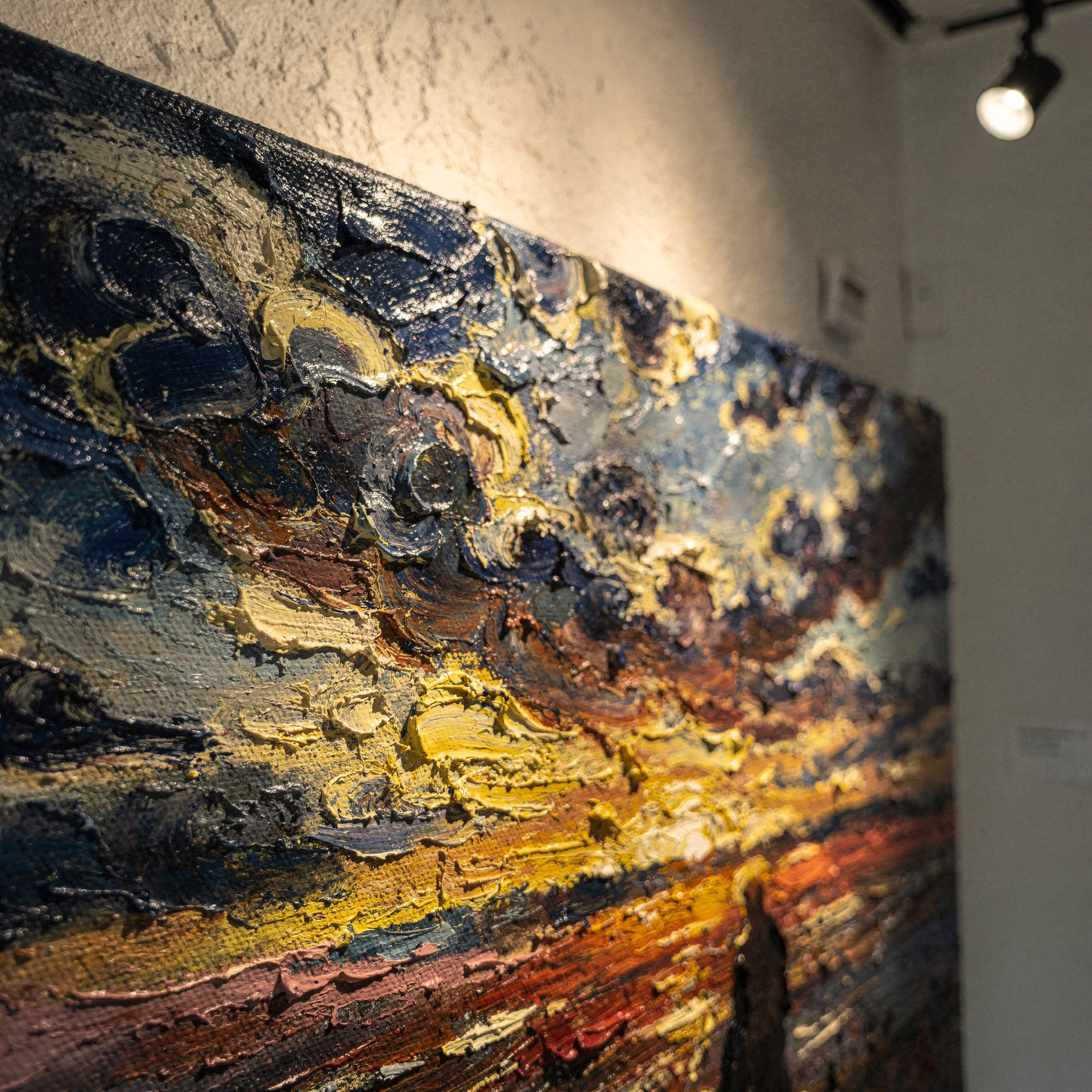
Look for the artist’s hand in the art. Check for texture, layering, and other human touches. For example, real paintings have brushstrokes and small flaws that make them special.
Recognizing Markers of Artistic Authenticity
To check if art is real, look beyond its looks. Look for signatures, certificates of authenticity, and edition numbers, which are key for prints.
Artist Signatures and Their Significance
An artist’s signature is vital for proving a work’s authenticity. Signatures can be on the front or back and may include a date. But, make sure it matches known examples to avoid forgeries.
Understanding Edition Numbers in Printmaking
In printmaking, edition numbers show how many prints were made. A small edition number means it’s rare and valuable. But, check if the edition is open or closed to see if more prints can be made.
Evaluating Technical Skill and Artistic Intent
Good collectors also look at the art’s skill and purpose. They analyze the art’s composition, colors, and style. This helps understand the artist’s vision and the art’s worth.
Ask for detailed records from the seller, like provenance and certificates of authenticity. These documents prove the art’s value and its history.
Exploring Artistic Mediums and Their Unique Qualities
Today, we have many artistic mediums to choose from. This includes traditional painting and fine art photography. Each one has its own special qualities, techniques, and feelings. Knowing about these mediums is key for collectors.
Traditional Painting Media
Traditional painting has been around for centuries. It offers many ways to express oneself. These mediums are known for lasting a long time and creating unique textures.
Oil Painting: Depth and Luminosity
Oil painting is famous for its deep colors and glow. Because oil paint takes time to dry, artists can build up layers. This creates complex and rich visuals, loved by many.
Acrylic: Versatility and Contemporary Expression
Acrylic paint dries fast, letting artists work quickly. It can be used for thin layers or thick textures. Its flexibility makes it great for modern art, allowing for new styles and techniques.
Watercolor: Transparency and Spontaneity
Watercolor painting is known for its lightness and quick work. Artists must act fast to capture the moment. Its transparency adds a delicate touch, perfect for soft, ethereal scenes.
Works on Paper and Drawing
Works on paper, like drawings and prints, are intimate and immediate. They show the artist’s direct expression. These pieces can be detailed studies or complex compositions.
Charcoal, Graphite, and Ink
Charcoal, graphite, and ink are basic drawing tools. They allow for a wide range of tones and lines. These mediums connect the artist to the paper, creating personal and impactful works.
Printmaking Techniques: Etching, Lithography, and Silkscreen
Printmaking includes etching, lithography, and silkscreen. Each method has its own special qualities. Printmaking makes art more available by allowing multiple copies of a piece.
Sculptural Forms and Three-Dimensional Art
Sculptures and three-dimensional art break the mold of traditional art. They engage viewers in a physical way. These pieces can be made from many materials, from stone and metal to plastic and digital media.
Fine Art Photography and Light-Based Media
Fine art photography and light-based media have changed the art world. They capture life’s fleeting moments and play with light. Photography and light media have opened up new ways to express and tell stories.
Cultivating a Personal Philosophy of Art Collecting
Art collecting is more than just buying pieces. It’s about creating a personal philosophy that guides your choices. As collectors explore the complex world of art, understanding their preferences and values is key.
Defining Your Aesthetic Sensibility
Understanding your aesthetic sensibility is the first step. It’s about knowing what moves you emotionally and intellectually. Think about the styles, themes, and mediums that speak to you.
- Explore different art movements and historical periods to grasp their essence.
- Visit museums, galleries, and art fairs to see art in person.
- Reflect on how different artworks make you feel.
Collecting with Intention Instead of Impulse
Intentional collecting means making thoughtful choices. It’s about moving past impulse buys and towards a collection that reflects your values.
Professional collectors suggest setting aside a portion of your income for art. This disciplined approach helps in making smart purchases.
Key considerations for intentional collecting include:
- Setting clear budgetary guidelines.
- Researching artists and their market trends.
- Evaluating the condition, rarity, and provenance of a piece.
The Importance of Emotional Connection
An emotional connection to art can greatly enhance its value to you. Art that touches you personally can become a meaningful part of your collection.
When evaluating a piece, ask yourself:
- Does the artwork evoke a particular emotion or memory?
- Does it align with or challenge your existing aesthetic preferences?
- Can you envision it as a part of your collection, enriching your space?
Patience and the Art of Considered Acquisition
Patience is essential in art collecting. Rushing into purchases can lead to regrets. A thoughtful acquisition process allows for careful consideration.
By taking your time, you can:
- Avoid making impulsive decisions.
- Research and understand the artwork’s context and value.
- Ensure that your purchase aligns with your collecting philosophy.
Curating Original Artwork for Elegant Interior Spaces
To make an interior space stand out, choose original artwork that shows your style and fits the room’s design. Think carefully about several factors to create a space that looks good and feels right.
Architectural Harmony and Spatial Relationships
Where you place artwork in a room greatly affects its look. It’s important to match the artwork’s size and shape to the room and its furniture.
Scale and Proportion in Art Placement
A big piece of art can be the room’s centerpiece in a large space. But, a small room might feel crowded by a big art piece. Getting the size right is key to balance.
Creating Visual Weight and Balance
Visual weight is how heavy or light something looks. To balance a room, spread out art and furniture evenly. For example, a big, dark art piece can be balanced by a smaller, lighter one on the other side.
Color Theory in Interior Art Selection
Color is very important in choosing art for your space. Knowing about color theory helps pick art that goes well with or contrasts the room’s colors.
Complementary and Analogous Color Schemes
Complementary colors make a bold contrast, while analogous colors create a calm look. Choosing art that matches or slightly differs from the room’s colors can really improve its look.
The Role of Neutral Spaces
Neutral walls and backgrounds are great for showing off art. They let the art be the main focus and make it easy to change or swap out pieces.
Lighting Considerations for Artwork Display
Lighting greatly changes how art looks. Both natural and artificial light have their own benefits and things to think about.
Natural Light and Conservation Concerns
Natural light can make art look amazing, but it can also harm it. Direct sunlight can fade or damage some materials. Using UV-filtering glass or acrylic can help protect the art.
Artificial Lighting to Enhance Viewing
Artificial light gives you more control over how art is seen. Spotlights or picture lights can highlight certain pieces and add drama. Think about the light’s color temperature to make sure it goes well with the art.
Building a Cohesive and Evolving Collection
Creating a cohesive art collection is a thoughtful journey. It’s about weaving a story with your chosen artworks. This story should mirror your taste and grow richer over time.
Establishing a Collection Foundation
The first step is to lay the foundation. Identify the themes, styles, or periods that speak to you. Start small with pieces that truly connect with you. This base will grow your collection.
When picking foundational pieces, look at their quality and condition. Make sure they are beautiful, well-made, and last long.
Thematic Connections and Visual Dialogues
Linking artworks through themes creates a unified collection. Choose pieces with shared motifs, styles, or histories. This dialogue between artworks enriches your collection’s story.
- Find common themes or motifs in the artworks you like.
- Think about the historical or cultural background of the artworks.
- Look for similar or contrasting styles.
Allowing Your Collection to Grow Organically
An evolving collection grows naturally over time. Stay open to new finds and let your tastes guide you. Be patient and don’t rush to fill gaps with pieces that don’t resonate.
As your collection expands, it will show your changing tastes and interests. This makes your collection dynamic and personal.
Balancing Consistency with Diverse Perspectives
A cohesive collection isn’t about sameness; it’s about balance. Mix different viewpoints and styles to add depth and complexity.
To achieve this balance, mix mediums like paintings, sculptures, and photos. Explore various artistic movements or periods. This variety keeps your collection lively and engaging.
Understanding Provenance and Artistic Documentation
Provenance and documentation are key in the art world. They prove an artwork’s legitimacy and value. These elements verify authenticity and add historical context, affecting value.
The Concept of Provenance in Art Collecting
Provenance is the artwork’s ownership history. It includes sales records, exhibition histories, and condition documentation. This info is vital for authenticity and value.
A well-documented provenance boosts an artwork’s appeal. It gives buyers confidence in its legitimacy. Artworks with notable ownership or exhibition history often fetch higher prices.
Documentation That Accompanies Original Works
Original artworks come with documents verifying their authenticity. A certificate of authenticity confirms the artwork’s legitimacy, issued by the artist or authority.
- A certificate of authenticity
- Provenance documents detailing ownership history
- Exhibition catalogs or records
- Condition reports
These documents ensure the artwork’s value and authenticity.
Researching Artist Background and Exhibition History
Knowing an artist’s background and exhibition history is essential. Researching their biography, influences, and style evolution is key. Exhibition history shows an artwork’s significance in the artist’s body of work.
Exhibition history is telling. It shows an artwork’s relevance and recognition. Artworks in notable exhibitions are often more valuable due to curator and critic validation.
The Role of Condition Reports in Understanding Artwork
A condition report details an artwork’s state at a specific time. It notes damage, restoration, or factors affecting value or longevity. Condition reports are vital for buyers and sellers, providing a clear record of the artwork’s condition.
For collectors, condition reports are invaluable. They help understand risks and are key in negotiations.
Conclusion
The art market is growing, giving sophisticated collectors more ways to buy original art. We’ve looked at how to buy art online and how to pick pieces that make your home look great.
Collecting art well means knowing a lot about it. It’s about learning about different art types, the history of the art, and what you like. This way, you can choose art that truly shows who you are.
Collecting art is more than just buying things. It’s about creating a story with your art that shows your taste and style. As you explore original art, think about how each piece fits into your collection.
The best part of collecting art is how it connects us to artists. It helps us appreciate the art world more and enjoy its beauty.